

 Good Looking
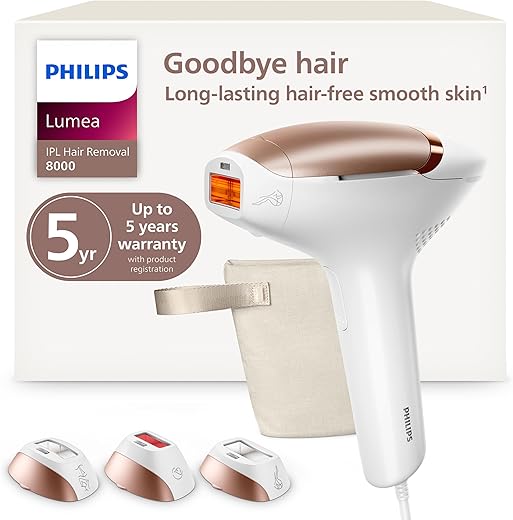
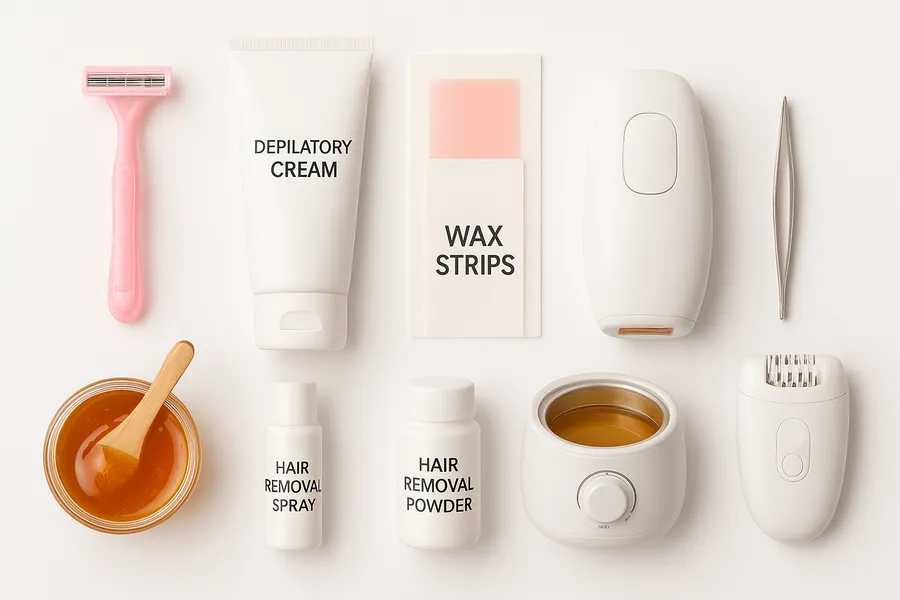
Ready to stop shaving and start chilling? Which at-home IPL actually saves time — and your skin?
Tired of the every-other-day razor grind? You’re not alone. Lots of men want cleaner looks with less upkeep and fewer nicks.
Top Picks
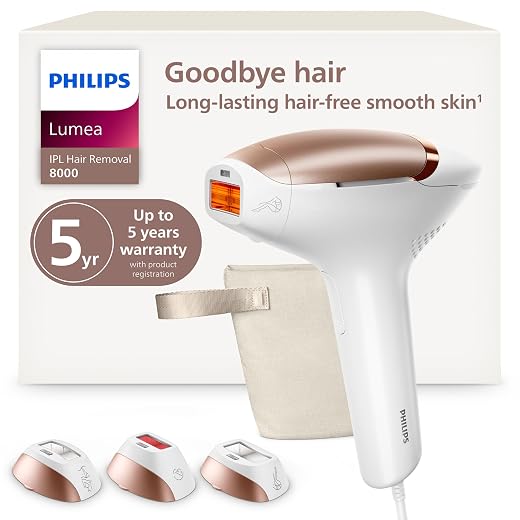


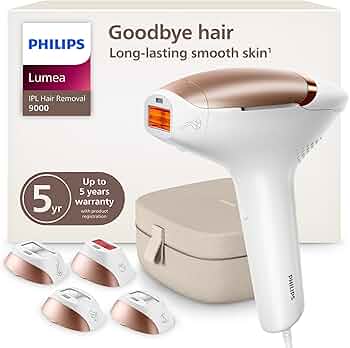
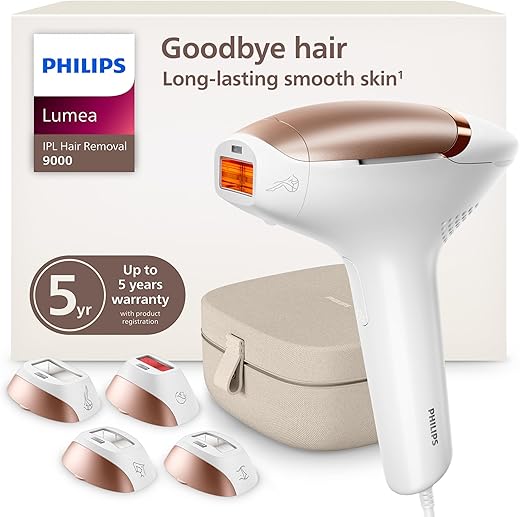
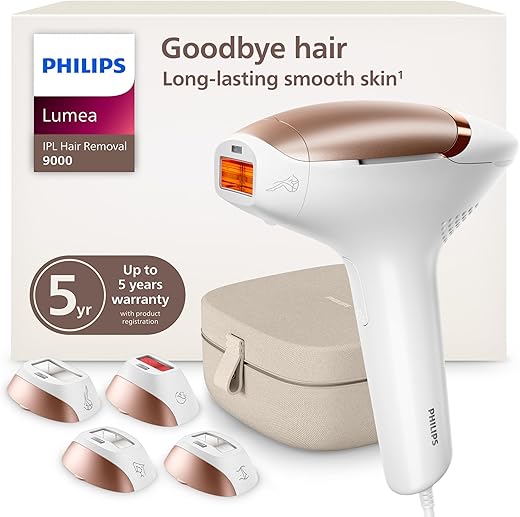
Philips Lumea 8000 SenseIQ IPL
A thoughtfully engineered at-home IPL system that pairs intelligent sensors with multiple attachments to cover face, body, and intimate zones. It’s especially good if you want an app-guided plan and reliable, salon-like results over time.
Pros
- SenseIQ skin and program personalization
- Curved, intelligent attachments for different body areas
- Corded for consistent power during longer sessions
- Proven results with visible reduction after a few sessions
Cons
- Higher price point than basic models
- Not recommended for male neck and face areas
- Requires app for full-featured guidance (optional but helpful)
Overview
You get a sophisticated, full-featured IPL designed to make regular at-home treatments easier and more consistent. The SenseIQ system reads your skin tone and suggests one of five energy levels, while the SmartPulse flash formula balances power, color, and pulse duration for efficient hair reduction. The device comes with three curved attachments tailored for body, face (flat), and intimate zones so you can move confidently across contours.
Key features and what they mean for you
- SmartSkin sensor automatically recommends a safe light level for your skin tone, reducing guesswork and making first-time sessions less intimidating.
- Multiple attachments mean better contact and coverage on curved areas like calves, underarms, and bikini lines.
- Corded operation ensures full power without interruptions, helpful for full-leg sessions or dense hair areas.
How to use safely and effectively
Start with a small patch test on the area you plan to treat and wait 24 hours to confirm you have no adverse reaction. For best results follow the recommended treatment schedule: more frequent sessions in the first month, then monthly touch-ups. Avoid tanning and sun exposure before and after treatments and use SPF on treated areas when outdoors. Do not use on tattoos, permanent makeup, or on areas with active skin disease.
Practical notes, components, and limitations
- Typical components (ingredients) include: a xenon-based light source (IPL flash lamp), curved treatment attachments with built-in contact sensors, skin tone sensor, and a microcontroller for the SenseIQ logic. Materials: high-grade plastic housing and glass/ceramic window for flashes.
If you’re a beginner, you’ll appreciate the app-guided schedule and reminders, plus the SmartSkin guidance. If you’re treating male facial hair or the neck area, follow the manual carefully — Philips explicitly notes limitations for male neck/face use. The price is higher than entry-level devices, but the comprehensive feature set and consistent power delivery justify it if you plan to commit to long-term hair reduction.
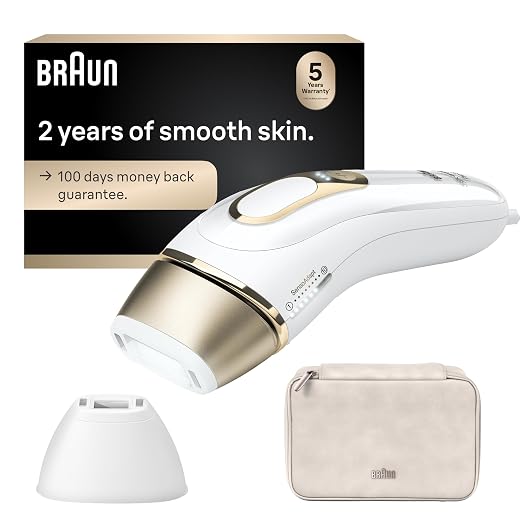
Braun Silk·Expert Pro 5 Dual-Head IPL
A versatile option that combines a standard head for body areas with a precision head for small zones and facial hair. The adaptive sensor makes it safe and consistent for mixed uses across your body.
Pros
- Includes both standard and precision heads for targeted work
- Automatic skin tone adaptation for every flash
- Multiple comfort settings for sensitive zones
- Designed for full head-to-toe coverage
Cons
- Higher price compared with single-head units
- Requires consistent schedule to reach and maintain results
Overview
This dual-head version is aimed at people who want one device to do everything — large areas, small tricky spots, and facial precision. The standard head covers larger areas like legs and chest while the precision head gives better control around the under-nose, bikini line, or small patches of facial hair. The built-in skin tone sensor adjusts output automatically, simplifying the choice of intensity.
Practical uses and why it’s helpful
- If you’re treating both broad areas like back or chest and fine facial hair, the two heads let you switch quickly without buying an extra device.
- The device offers comfort modes to reduce intensity when you treat sensitive regions like nipples or the groin area.
Safety guidance and examples
Always follow a patch test protocol: shave the area, treat a small patch, and observe for 24–48 hours. For chest or back treatments, shave the evening before and plan for a treatment window when you won’t be sweating heavily afterward (avoid vigorous exercise right after). Keep out of direct sunlight for a few days after treatment and apply sunscreen when exposed.
Components and limitations
- Typical components (ingredients) include: xenon flash lamp, precision and standard treatment heads, integrated skin tone sensor, and carrying pouch.
This model is a solid bestseller because it balances convenience and coverage. It’s a bit more costly upfront than single-head devices, but the inclusion of a precision head and comfort modes makes it a more complete solution if you want to treat your whole body without compromises.
Braun Silk·Expert Pro 5 IPL
A strong option if you want quick sessions and clinically backed results. The automatic skin tone sensor adjusts every flash so you can move faster with confidence across larger areas.
Pros
- Adaptive skin tone sensor auto-adjusts intensity
- Ergonomic Smart Flex head for efficient coverage
- Clinically proven visible hair reduction from early sessions
- Real-time coverage tracker helps prevent missed spots
Cons
- Single standard head may be less precise for small areas
- May require patience for coarse or dense male body hair
Overview
This model emphasizes speed and safety: the Silk·Expert Pro 5 has a real-time skin tone sensor that adjusts output for each flash, eliminating the need to pick settings manually. That makes it a solid pick for first-time users who want an easy, low-fuss routine. Treatments can feel faster thanks to a high flash rate and a head designed to maintain full skin contact.
What stands out and why it matters
- The continuous auto-adapt feature reduces the risk of using an incorrect intensity, which makes it friendlier for beginners and mixed-skin households.
- The Smart Flex head is built to follow body curves, so you get more consistent coverage on arms, legs, and trunk.
Practical tips and safety
Perform a patch test before your first full session and wait the recommended time to check for sensitivity. Shave the area before treatment for best light absorption into the hair root; do not wax or pluck between sessions. Avoid sun exposure and tanning on treated areas before and after sessions — this reduces both risk and effectiveness. Keep the device away from water and follow the included safety instructions.
Components and limitations
- Typical components (ingredients) include: high-efficiency xenon flash lamp, silicone contact surfaces, plastic housing, and an integrated skin sensor.
If you want a balance of clinical backing and usability, this Braun delivers. It’s especially good for treating larger body areas quickly, though men with very coarse chest or back hair may need more sessions or occasional touch-ups.
Silk'n Motion Premium Touch & Glide
A great pick if you prefer a smooth, continuous pass rather than singled flashes — the Touch & Glide system keeps pulses flowing as you move. The auto-adjust energy system keeps things safe and consistent across skin tones.
Pros
- Touch & Glide for continuous, effortless treatments
- Auto-adjust energy system tailors output to skin tone
- Large flash count (600,000) for long-term use
- Three safety sensors reduce the chance of accidental flashes
Cons
- Higher initial cost than basic handsets
- May feel bulky to some users during longer sessions
Overview
This model is built for convenience and long-term use. The Touch & Glide technology lets you sweep the head over the skin while the device emits automatic pulses, which is ideal if you don’t want to press a button for every flash. The Auto-Adjust Energy System fine-tunes intensity based on contact and movement so you maintain safe, personalized sessions.
Practical benefits and who it suits
- The high flash count (600,000) means you’re unlikely to ever need replacement cartridges. That’s perfect if you plan to treat large areas like chest, back, or full legs.
- The continuous glide style can significantly speed up treatments compared with stop-and-flash devices and feels more like a smoothing motion than repeated jolts.
Safety, tips, and examples
Always perform a patch test and avoid treating sunburned or freshly tanned skin. For example, when treating your chest: shave, wait 24 hours, then use steady, even strokes while maintaining full contact. Keep the skin cool after treatment and apply a fragrance-free moisturizer if dryness occurs.
Components and limitations
- Typical components (ingredients) include: HPL flash module, motion and contact sensors, ergonomic housing, and long-life flash elements.
If you value continuous, effortless treatments and longevity without cartridge replacements, this device is worth considering. It’s a little more premium in feel and price, but the convenience for regular whole-body upkeep is a real advantage.
Silk'n Infinity Fast Compact IPL
You get unlimited flashes and fast pulse rates in a compact package, which makes it cost-effective for long-term home use. The small footprint and travel case are handy if you want to maintain a schedule on the go.
Pros
- Unlimited flashes — no replacement cartridges
- Compact and travel-friendly with included case
- Automatic skin color sensor for safer treatments
- High-speed pulse rate shortens treatment times
Cons
- Smaller treatment window can increase time for large areas
- May require more sessions for very coarse hair types
Overview
This compact device focuses on value and convenience: unlimited flashes mean you won’t pay for replacement cartridges or worry about flash counts. It uses Silk'n eHPL technology (electro-optical combination) and a built-in skin color sensor to match energy output to your tone. The travel case and small size make it simple to store or take on trips.
Features that help you save time and money
- Unlimited flashes reduce long-term cost and make the device practical for maintenance touch-ups over years.
- The fast pulse rate and decent treatment window speed up sessions compared with slower handheld alternatives.
Safety and practical examples
Before treating a new area, shave and cleanse the skin; for example, shave your chest or underarms the evening before and treat the next day. Always run a patch test on a small area and wait 24 hours to check for irritation. Avoid using on tanned skin and follow the manufacturer’s guidance on skin tone compatibility.
Components and limitations
- Typical components (ingredients) include: long-life flash module, optical safety filter, skin tone sensor, and ABS/polycarbonate housing.
If you’re on a budget or want a unit that you don’t have to replace, this model’s unlimited flashes are compelling. Keep in mind that compact units sometimes require slightly longer overall time to treat very large areas because of the smaller window size.
Final Thoughts
Top pick: Philips Lumea 8000 SenseIQ — Best for full-body, app-guided routines. Choose this if you want a smart, guided plan, multiple attachments for face, body, and intimate zones, and a calm, step-by-step experience that helps you track progress.
Runner-up (best for precision): Braun Silk·Expert Pro 5 Dual-Head IPL — Best if you need head-to-toe coverage plus a precision spot head. Pick this if you want faster sessions across larger areas and an extra small head for tricky zones like facial hairlines, under the nose, and around the ears.
If you travel or want a compact backup, the Silk'n Infinity Fast Compact is a solid travel-friendly choice — good value and unlimited flashes in a small package.
How to Choose and Use IPL Devices (Beginner's Guide)
How IPL works (simple)
IPL uses broad-spectrum light pulses to target the pigment in hair shafts. That light converts to heat and weakens the hair follicle over repeated sessions, producing visible reduction in hair growth over time. It’s not a single-shot fix — think of it as disciplined maintenance that reduces the frequency and density of regrowth.
Who is IPL best suited for
- Best results: people with lighter skin tones and darker hair pigment, because the device detects contrast and targets pigment more reliably.
- Less reliable: very light blond, gray, or red hair, where there isn’t enough pigment for the light to target effectively.
- Not recommended: do not use over tattoos, active skin infections, or sunburned areas.
Key features to prioritize
- Skin tone sensor: prevents flashing on incompatible tones and reduces risk.
- Attachments: a precision head for facial hair and a body head for larger areas make treatments easier (Philips Lumea and Braun Dual-Head include these).
- Flash capacity and speed: unlimited flashes (Silk'n Infinity) are cost-effective over time; faster pulse rates (Braun Pro 5) save you time.
- App and tutorials: Lumea’s SenseIQ app creates a schedule and reminders — helpful if you want a guided plan and progress tracking.
Safe, step-by-step usage (practical)
- Patch test: pick a small spot, flash at the lowest setting, wait 24–48 hours for irritation.
- Shave the area (do not wax or pluck) the day of treatment — IPL targets the hair root and needs the shaft near the skin.
- Clean and dry skin; remove lotions, deodorant, or oils.
- Protect your eyes — never look at the flash. Use built-in shields or eyewear if recommended.
- Start at a low energy level and increase only if comfortable. Move methodically: overlap slightly but avoid double-flashing the same spot at high energy.
- Aftercare: avoid sun and use SPF on treated areas for at least two weeks. Skip workouts that cause heavy sweating for 24 hours if your skin feels sensitive.
What’s in the box (ingredients/components)
Most kits include:
- Flash lamp module (xenon-based bulb or equivalent)
- Main handpiece with cooling plate
- Body head and a precision/face head attachment (varies by model)
- Power adapter and travel case (on compact models)
- User manual and safety guide
- Optional: app pairing instructions (Philips Lumea SenseIQ)
Common component materials: tempered glass or sapphire filter over the flash window, plastic housing, silicone or metal cooling plate, and electronic skin-tone sensors.
Example schedule and expectations
- Weeks 1–6: treat every 1–2 weeks to catch hairs in different growth phases.
- Weeks 7–16: switch to every 3–4 weeks as regrowth slows.
- Maintenance: every 1–3 months to keep areas smooth.
Practical example: if you’re treating chest and shoulders, use the larger head at a medium setting for 10–15 minutes per session. For the beardline, switch to the precision head and the lowest comfortable setting; treat weekly for the first month and then reassess.
Quick comparison (at-a-glance)
| Model | Standout feature | Best for |
|---|---|---|
| Philips Lumea 8000 SenseIQ | App-guided plans + multiple attachments | Full-body users who want guidance and attachments |
| Braun Silk·Expert Pro 5 Dual-Head | Dual heads for speed + precision | Mixed head-to-toe use, fast sessions, facial detail |
| Braun Silk·Expert Pro 5 | Fast pulses and adaptive sensor | Quick body treatments |
| Silk'n Motion Premium Touch & Glide | Continuous touch-and-glide mode | Smooth, continuous passes for comfortable sessions |
| Silk'n Infinity Fast Compact | Unlimited flashes, travel size | On-the-go users and long-term cost savings |
Follow the user manual for your chosen device and prioritize patch testing and sun safety. With patience and consistent use, IPL can simplify your grooming routine and cut down on daily shaving time.
FAQ
Does IPL hurt?
Most people describe IPL as a mild snapping or warm prick. Sensation varies by area and intensity. Start at the lowest setting, do a patch test, and increase only if comfortable. Devices like the Braun Pro 5 and Philips Lumea include sensors and adjustable levels to help manage comfort.
How often should you treat an area?
Begin with treatments every 1–2 weeks for the first 3–4 sessions, then space sessions every 4–8 weeks as hair growth slows. Track results — many users notice visible reduction after 8–12 weeks, but consistency matters.
Can I use IPL on my beard or jawline?
Yes, but be cautious. Use the precision head (or smaller attachment) at lower energy for facial areas. Avoid using it over moles or broken skin. If you have very dark, dense facial hair, start conservatively—IPL targets pigment, so you may feel stronger sensations.
Is IPL safe if I have tattoos or dark spots?
Avoid flashing over tattoos, permanent makeup, or dark spots — the pigment can absorb excess energy and cause burns or discoloration. Cover tattooed areas or skip them entirely. Devices include skin sensors; still, do a patch test and follow each product’s manual.
Can I use IPL after sun exposure or on tanned skin?
No. Avoid IPL on recently tanned or sunburned skin. Recent sun exposure increases the risk of burns and discoloration. Wait until your skin returns to its natural tone and use SPF when outdoors during treatment periods.
What's the difference between IPL devices like Philips vs. Silk'n?
Differences include flash window size, attachments, app integration, and flash limits. Philips Lumea focuses on smart, app-guided plans with multiple heads. Silk'n Infinity offers unlimited flashes in a compact body, and Braun models prioritize adaptive sensors and a fast pulse rate for quick treatments.
Thinking between the two Braun options — the Pro 5 with 2 heads (IPL5137) vs the single-head IPL5100. Does the precision head really make a difference for upper lip/neck? I’m tempted to save money but don’t want to compromise on face work.
Also, are the adaptive sensors on both models equally reliable, or does the pro model actually do a better job?
If you’re unsure, buy the single-head and return if it’s too clumsy — Amazon return windows can help. But like others said, tiny areas are just easier with the precision head.
The 2-head Pro 5 is better if you plan to do a lot of small-area work (upper lip, sideburns, intimate zones) — the precision head focuses energy and decreases treatment time for tiny areas. Both models have adaptive sensors, but the Pro 5’s extra head and ergonomics make precision tasks easier and more comfortable.
I had the single-head version for a year — it works fine for face if you take your time, but the precision head would have saved me lots of fiddling. If you do face regularly, I’d spend the extra cash.
Also worth noting: the Pro 5 usually includes a pouch which is handy for storage; check Amazon bundles for occasional discounts.
Big fan of the Silk’n Motion entry in this list — Touch & Glide is my fav because it feels so much faster and less stop-start than the single-flash devices.
I use it on legs and it literally halves the time. Painless for me and the auto-adjust keeps things chill. Worth considering if you hate sitting there flashing in tiny bursts.
Agree — Motion is smooth. Only caveat: make sure you read the manual about speed; gliding too fast can miss spots.
Thanks for sharing, Sofia — that’s exactly the benefit the Motion aims for. The continuous glide suits large areas and saves time; just remember to overlap passes slightly for full coverage.
Anyone tried the Silk’n Infinity? “Unlimited flashes” sounds like a marketing flex lol, but I actually like the travel case idea.
Main concern: is it actually painless? I have a low pain threshold and the last IPL I borrowed felt like tiny rubber-band snaps.
Silk’n Infinity is generally reported as low-pain, especially at lower intensity settings. Pain tolerance varies — try the lowest setting and a patch test first. The unlimited flashes mean you won’t hit a flash cap like some devices, which is good for long-term use.
I use the Infinity and it’s way gentler than salon diode lasers for me. Still a tiny sting on higher settings, but nothing like rubber-band snaps. Take it slow and build up intensity.
Loved the Philips Lumea mention — been eyeing it for months. The app-guided plan sounds like a game-changer for consistency.
Quick question: Has anyone here actually used the SenseIQ on darker skin tones? I’m not super dark but tan a lot in summer. Also curious about how it performs on facial stubble vs. body hair.
Price is a bit steep but if it cuts down salon visits it could be worth it. Any real-world timelines for noticeable reduction?
Great question, Emily — Philips’ SenseIQ is built to adapt flash intensity and guide scheduling, and most users with medium skin tones saw gradual reduction over 8–12 weeks. For darker skin tones there are limits — always check the device skin-tone guidance and patch-test first. For facial stubble, many people see slower results than body areas but it still helps after a few sessions.
I have a Philips Lumea 8000 and I’m around tan/olive. Works fine if you use the app and follow the patch test. Face took longer (around 3 months) but body showed clear reduction by week 8. FYI: shave right before treatment, don’t wax.
Practical question: how often do these devices need maintenance or parts replaced? Like replacement bulbs or batteries? I’m leaning toward the Silk’n Infinity for the unlimited flashes, but worried about durability and warranty when buying on Amazon.
Also check return policy windows on Amazon and look for extended protection plans if you want extra peace of mind. Regular cleaning of attachments and storage in the pouch will help longevity.
I registered my Braun and they had a 2-year warranty. No parts needed so far. If you’re concerned, check seller (fulfilled by Amazon vs third-party) and read warranty terms before purchase.
Good point, Aaron. Many modern IPL devices (Silk’n Infinity included) advertise ‘unlimited flashes’ because they use solid-state flash tech that doesn’t require replaceable bulbs. Braun and Philips also design for long life, but check each model’s specs and warranty. Buying from Amazon is fine — keep the receipt and register the device if required.