

 Good Looking
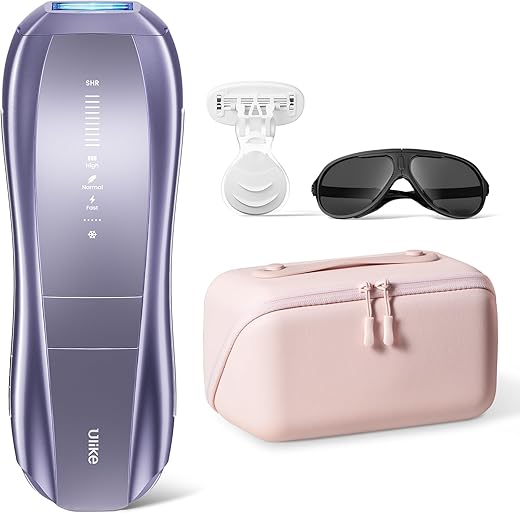
Decide which IPL is right for your at-home routine—get beginner-friendly tips, ingredient-safe prep, practical safety advice, and a side-by-side look at results you can expect with Ulike vs Philips Lumea.
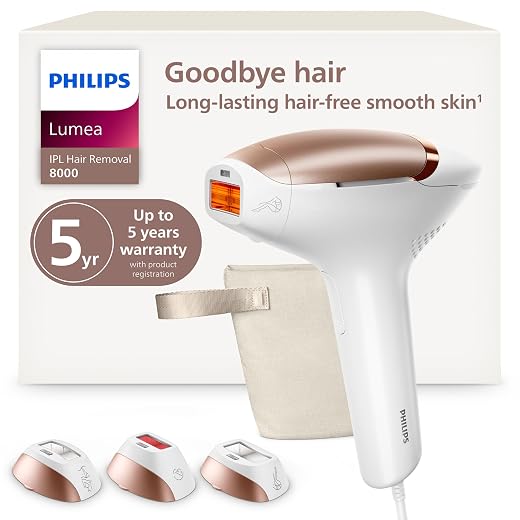
Tired of shaving and salon bills? This head-to-head helps you choose between Ulike Air 10 Deluxe and Philips Lumea 8000, so you can pick a safe, user-friendly at-home IPL with practical tips, ingredients, and safety guidance for new U.S. users.

Ulike IPL vs Philips vs Tria Laser: Which device is best for at-home hair removal?
Side-by-Side Specs & Key DifferencesAt-a-glance specs
- Ulike Laser Hair Removal Air 10 Deluxe (approx. $376)
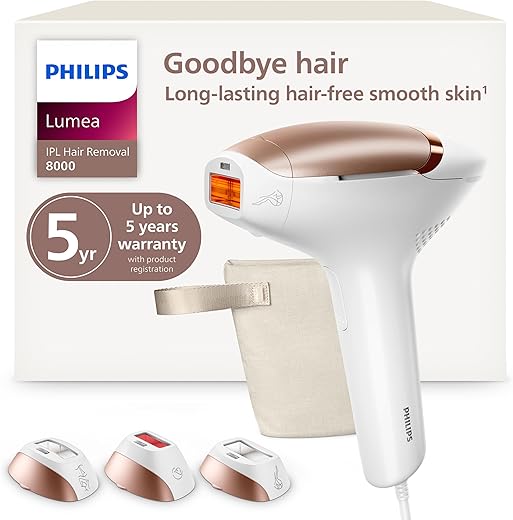
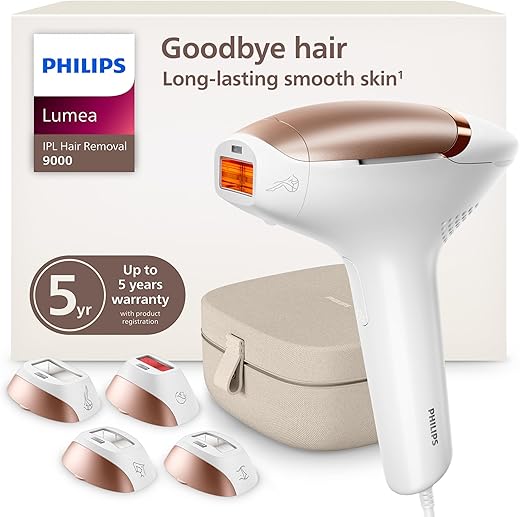
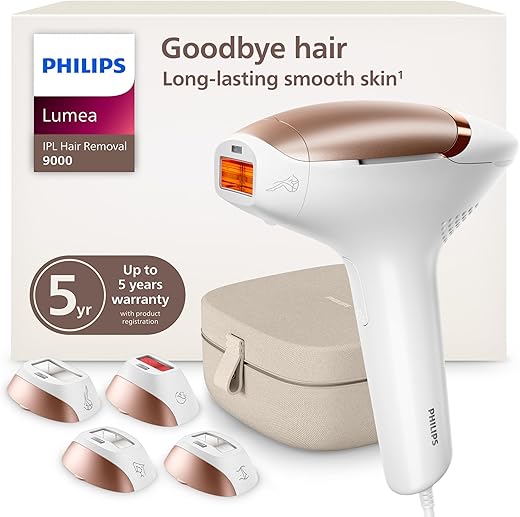
- Philips Lumea 8000 Series BRI937/03 (approx. $407)
Quick spec comparison
- Flash count / lifetime:
- Ulike — manufacturer flash lifetime not always published on the Amazon page; confirm before purchase.
- Philips — official lifetime details are typically listed with the product; check the listing or manual for exact flash count.
- Energy levels / intensity:
- Ulike — multiple intensity levels; marketed for fast, nearly painless sessions with ice-cooling.
- Philips — five adjustable light settings with patented SmartPulse balance and SenseIQ guidance.
- Treatment speed:
- Ulike — marketed as full-body in ~10 minutes (handpiece speed + cordless mobility).
- Philips — session time varies by attachment and area; corded design gives consistent power.
- Sensors & safety:
- Ulike — built-in skin sensor to reduce misuse.
- Philips — SmartSkin sensor and skin-contact sensors; app-guided program.
- Cooling / comfort tech:
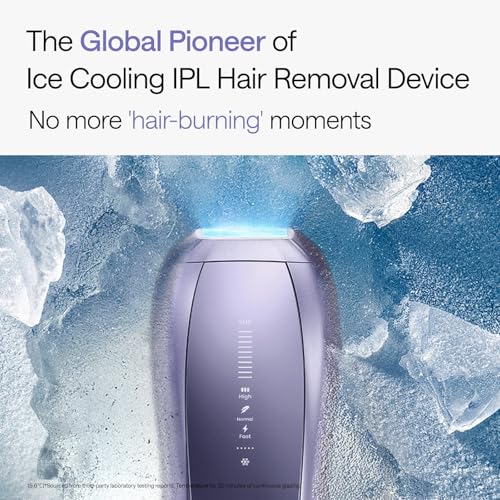
- Ulike — ice-cooling module to lower sensation during pulses.
- Philips — no active cooling module; comfort via pulse control and curved attachments.
- Attachments:
- Ulike — basic single head (faster glide, fewer specialized heads).
- Philips — three exchangeable heads for body, face, and intimate areas.
- Warranty / support:
- Check each Amazon listing and included manual for warranty length and US support options.
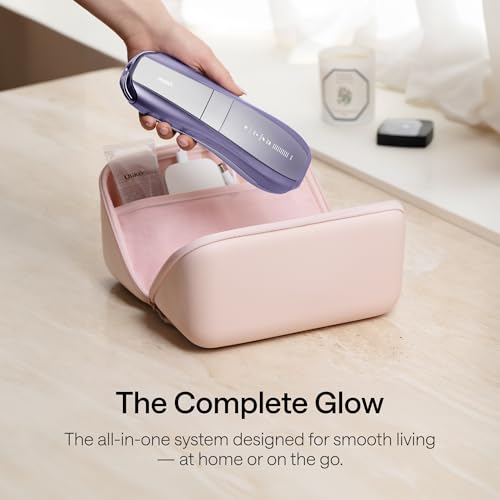
Components (what’s in the device)
- IPL xenon lamp
- Cooling plate / ice module (Ulike)
- Skin-tone sensor / SmartSkin sensor
- Exchangeable treatment heads (Philips)
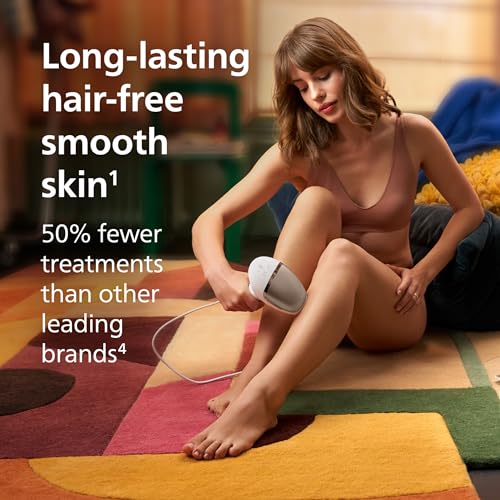
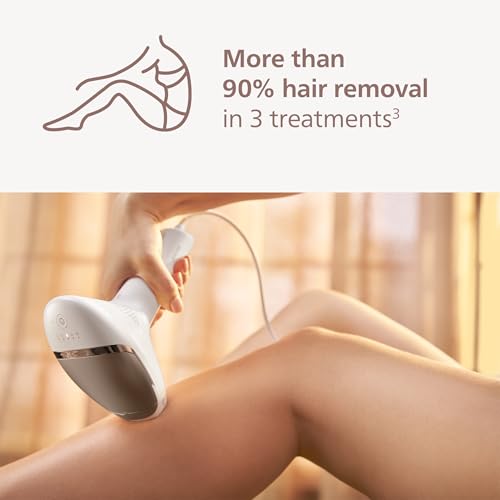
Start with a patch test, use the lowest comfortable setting, and follow the manual. If portability and faster sessions matter, Ulike leans speed and cooling; if attachments, app guidance, and proven SmartPulse tech matter, Philips focuses on versatility and guided use.
Feature Comparison Chart
Performance & Real-World Results — What to ExpectHow they work on common hair & skin types
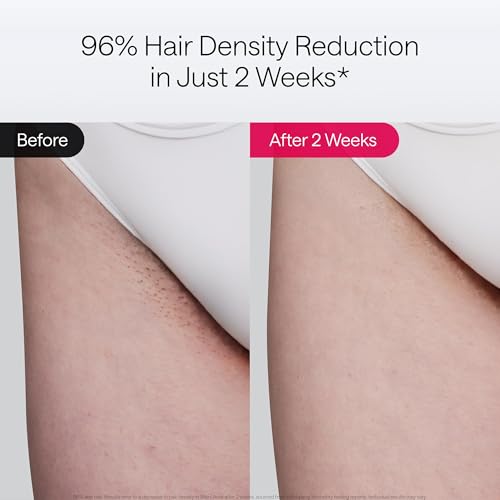
Ulike Air 10 DeluxeYou can expect best results on darker hair (brown/black) and lighter skin tones — like most IPL devices. Ulike markets fast, nearly painless sessions thanks to its ice-cooling plate and multiple intensity levels; manufacturer materials position it for noticeable reduction after a few treatments. Pulse energy (the light intensity in J/cm²) isn’t always published on retail pages, so rely on the skin sensor and conservative starting settings if you’re a first-timer.
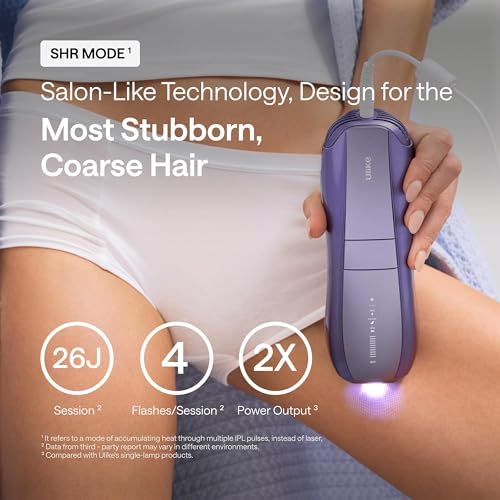
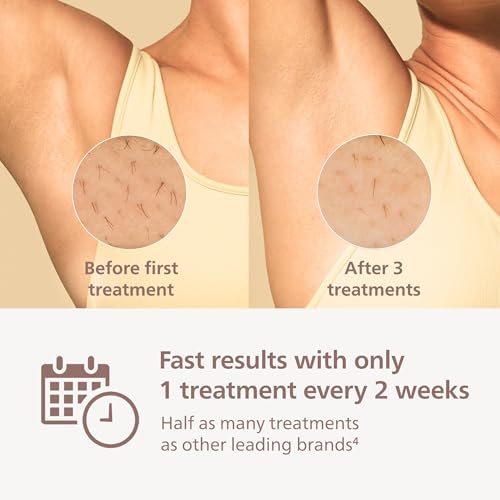
Philips Lumea 8000 Series BRI937/03Philips reports visible results after 2 sessions for some areas and shows strong reduction in clinical-style tests (manufacturer guidance). Lumea’s SmartPulse formula and SenseIQ/SmartSkin sensor tailor pulses to tone and area, which helps if you treat varied zones (legs, bikini, upper lip). It’s generally reliable across the same hair/skin ranges (lighter skin with darker hair).
Sessions, timing & practical examples
- Manufacturer guidance & typical schedules:
- Philips: visible changes reported after 2 sessions; many users follow the initial treatment schedule then monthly touch-ups.
- Ulike: marketed for quick full-body sessions and progressive reduction over multiple sessions.
- Example session times:
- Lower legs: Ulike marketed as very fast (full legs in ~10–15 minutes); Philips with the body attachment typically takes ~15–20 minutes depending on technique.
- Underarms: both devices take about 2–5 minutes per underarm.
Pain, settings & reliability
- Pain level: Ulike’s ice-cooling often feels near-painless; Philips typically feels like mild tingling/prickling, intensity varies by setting and area.
- Energy/settings: Ulike — multiple levels; Philips — five adjustable light settings with SmartPulse balancing power and duration.
- Reliability factors: pulse energy (lamp quality/xenon flash), cooling tech, and sensor accuracy (avoids unsafe flashes).
Safety reminders
Always do a patch test, follow the skin-tone chart, start at the lowest setting, avoid tanned or sunburned skin, and read the manual for contraindications (tattoos, certain medications). Manufacturers report long-term hair reduction, not medical cures.
Usability: Attachments, Comfort Features & WorkflowHow you hold it & change levels
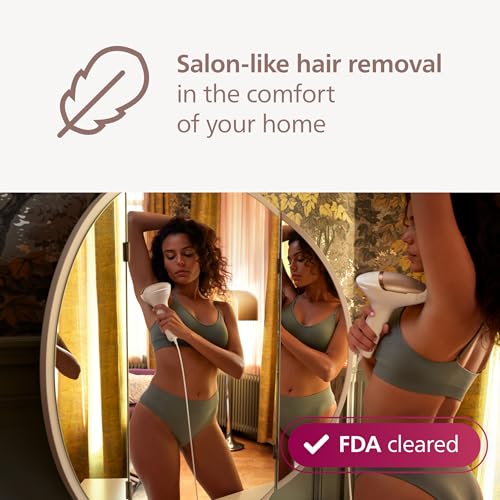
You hold both devices like a large hair trimmer, pressing the window flush to skin.
- Ulike Air 10: cordless, lightweight — easy one-handed sweeping. Intensity is changed with simple buttons; built-in skin sensor recommends a safe start.
- Philips Lumea 8000: corded (steady power), thicker handle; five light settings and a SmartSkin sensor that suggests a setting via a color indicator.
Attachments & comfort tech
- Ulike Air 10: single treatment window + ice‑cooling plate that touches skin to reduce sensation during flashes. Fewer specialized caps.
- Philips Lumea 8000: three magnetic attachments (body, face, intimate) shaped for curves; SenseIQ and skin-contact sensors for safer automatic flashes. Lumea does not require goggles per manufacturer.
Beginner step-by-step session (example)
- Prep: clean and dry skin; avoid recent tanning.
- Patch test: test a small area, wait 24 hours.
- Shave: shave the area; no creams or deodorant.
- Treat: start at lowest setting; hold window flat, flash every ~1–2 seconds and glide.
- Moisturize: apply fragrance‑free lotion after treatment.
Time estimates: legs 10–20 minutes (Ulike marketed ~10; Lumea ~15–20), underarms 2–5 minutes, bikini/face 3–8 minutes.
Maintenance & included items / ingredients
Clean the glass window with a soft, lint‑free cloth after each use. Store in a cool, dry place; avoid direct sunlight. Replace attachments if cracked.
Typical box contents:
- Ulike: device, charging cable/power adapter, user manual (protective goggles not typically included).
- Philips Lumea 8000: device with 3 attachments (body/face/intimate), power cord/adapter, user manual (no goggles required per Philips).
First-time friendly design wins
Ulike’s cordless form and ice‑cooling reduce discomfort and handling fuss. Philips’ area‑specific attachments, SmartSkin prompts and app guidance reduce guesswork for beginners.
Safety, Cost of Ownership & Who Should Buy WhichSafety essentials
Before you start, do a patch test on a small area and wait 24 hours to check for irritation. Never treat over tattoos, permanent makeup, or directly over moles — avoid flashing within about 1/4–1/2 inch of any pigmented lesion. Don’t use IPL on sunburned or recently tanned skin. Follow manufacturer warnings about pregnancy and medical conditions, and consult a professional if you have skin concerns. Wear eye protection or simply keep your eyes closed during flashes; ensure the window is flat against skin before each pulse.
- Key rules:
- Patch test 24 hours beforehand
- Avoid tattoos, moles, sunburn, recent tanning
- Follow pregnancy/medical warnings; consult a pro for skin conditions
- Use eye protection or close eyes during flashes
Ongoing costs & warranty
Check the device’s total flash count (lifespan) before buying — many home IPL units range from tens of thousands to several hundred thousand flashes. That number determines how many full-body sessions you can do before replacement. Also factor in potential replacement attachments, charging cables, and service or extended warranties. Typical manufacturer warranties vary; confirm the length (often 1–2 years) and what’s covered (faulty parts vs. wear).
- What to check:
- Total flash count / estimated years of use
- Cost and availability of replacement attachments
- Warranty length and service options
Aftercare “ingredients”: use fragrance‑free moisturizers like aloe vera gel (Aloe Barbadensis leaf juice), glycerin, or panthenol to soothe treated skin — avoid perfumed products immediately after treatment.
Who should buy which
- If you want fast sessions and cooling comfort, you’ll likely prefer the cordless Ulike Air 10 with its ice‑cooling plate.
- If you want proven attachments, SenseIQ/SmartSkin guidance and app support, the Philips Lumea 8000 is the better fit.
No medical advice here — if you have a skin condition or are unsure, check with a dermatologist before starting IPL.
Final Verdict — Which IPL Fits Your Routine?
Philips Lumea is the overall winner for versatility and attachments; Ulike beats it on budget and speed if you want quick, affordable sessions.
Always patch test, read the manual, confirm skin-tone compatibility, and IPL uses light — no topical ingredients.
Does anyone find these actually painless? The review said “nearly painless” for Ulike. I’m not super brave lol. Also curious about maintenance — do they need replacement cartridges? Cost over time?
Pain is subjective — Ulike’s ice-cooling lowers sensation for many users, while Philips uses gentle pulse tech plus SenseIQ to adapt. As for maintenance: some devices have fixed lamp lifetimes (number of flashes) and no replaceable cartridges; others do. Check the product specs for lamp life (e.g., X flashes) and average sessions per body area to estimate long-term cost.
I’m not great with pain either. Ulike felt like a series of warm snaps, not unbearable. Philips was slightly milder for me. Neither needed cartridges — they advertise long-life lamps.
Bought the Philips BRI937/03 after reading comparisons like this — no regrets. The SenseIQ made a difference on my jawline (less flickery pain), and three attachments actually got rid of the awkward missed spots. Highly recommend if budget allows.
Would you say it’s worth the higher price over Ulike for someone who mainly wants underarms and legs done?
Thanks for sharing your experience — real user reports really help prospective buyers. Appreciate the nod to SenseIQ and attachments.
Speed comparison: the Ulike claims 10 mins total — that sounds perfect for someone with limited time. Philips is thorough but sometimes I feel like I’m doing a small workout when treating legs.
Has anyone timed a full-body session on Ulike vs Lumea? I’m curious if the 10-minute claim is realistic or a marketing flex.
Took me about 20–30 mins to do both lower legs with the Lumea. Ulike was faster for legs but I was careful and went a tad slower to make sure I covered everything evenly.
Ulike’s 10-minute claim usually refers to treating certain body areas (like lower legs or underarms) using continuous gliding on larger windows. In real use, a full body will take longer. Philips can be faster on some areas with larger windows but depends on your technique and intensity settings.
If speed is a priority, look at window size and whether the device supports glide mode (continuous pulses). That will shave off time versus single-flash spot mode.
Small practical point the article missed: what happens when the lamp life runs out? Philips sells replacements for some models, while others are sealed. Ulike seemed to advertise a large number of flashes — but if it dies after 3 years, what’s the eco/financial cost?
Would love a breakdown of lamp lifespan vs. price — that matters for long-term buyers.
Excellent point — lamp lifespan (usually given as number of flashes) is key for total cost of ownership. Philips often lists long lamp lifetimes or offers replaceable heads depending on model; Ulike typically advertises a high number of flashes too, but replacement options vary. I’ll add a section in the article summarizing lamp lifetime and expected years of use based on average session frequency.
Thanks for the nudge — I’ll include approximate calculations (flashes vs sessions per body area) so readers can estimate years of use and compare long-term costs.
Yep this is why I leaned toward a brand with clear replacement policy. Also recycle the units properly if they die — electronics disposal matters.
Anyone had warranty/service issues? I’m leaning toward Philips because of brand reputation, but Ulike seems cheaper. The review didn’t dig into after-sales support — kinda important for electronics that deliver pulses every session.
I had to contact Ulike support once for a setup question; response was slow but helpful. Philips had faster official support via chat when my unit had a minor issue.
Great point. Brand reputation can matter for warranty claims. Philips has global support channels and official service centers in many regions. Ulike support varies by seller and region — check warranty length and seller reviews before buying.
Philips Lumea 8000 feels like the Rolls Royce of at-home IPLs. SenseIQ + 3 attachments = targeting everything from face to bikini. I’ve used it twice a week and noticed hair thinning already.
The attachments actually make a difference for small areas. Pricey, but feels premium.
Agree on the attachments — the face one is way more precise than the generic window on cheaper units. How’s the battery life? I read some models are cordless while others need a plug.
I used the Lumea BRI937/03 — battery is decent but charging takes a bit. Worth it if you value convenience though.
Correct — the Lumea 8000 series typically has a cordless option for easier handling, though runtime varies by model and intensity setting. The three attachments are for body, face and intimate areas, which improves comfort and coverage compared to a one-size window.
Tried both devices over the past year. Short summary:
– Ulike: Fantastic cooling, quick sessions, great for sensitive folks.
– Philips Lumea: Premium feel, way better attachments, longer battery life (for me).
My honest take: If you want speed and comfort → Ulike. If you want long-term build quality and attachments for small areas → Philips.
YMMV, ofc.
Same experience here — Philips felt safer for the more sensitive spots.
Remember to follow manufacturer guidance for intimate areas — use lower intensity and patch tests.
Bikini for me was easier with Philips because the intimate attachment is smaller and contours better. Ulike worked fine but took more careful angling.
Thanks for the hands-on comparison — that’s the sort of user insight readers appreciate. Your note about attachments and comfort is especially helpful for deciding between the two.
This is the kind of comparison I needed. Do you find either better for bikini line specifically?
Safety question: can you use these on stretch marks or near moles? The article mentioned skin sensors but not contraindications. I have a few moles I’m worried about.
I was told the same by my derm — avoid moles and get a check first if you have lots of spots. Better safe than sorry!
You should not use IPL directly over moles, tattoos, or dark spots — the device may deliver extra energy there and cause burns or pigmentation changes. Stretch marks generally have different skin structure; IPL isn’t effective on them and it’s safer to avoid treating scarred/tattooed areas. Always patch test and consult a dermatologist if unsure.