

 Good Looking
Single-Blade vs Multi-Blade Razor: Which Gives a Better Shave? — A Quick Start
You want a close, comfortable shave but the razor aisle is confusing. When people compare single-blade and multi-blade razors they mean blade count and how the razor interacts with hair and skin. This guide is for first-time or casual users in the United States who want practical advice. You’ll get clear explanations, safety tips, and a buying guide.
You’ll learn how each razor works, how shave quality and irritation differ, and which techniques suit beginners. I’ll cover products and common ingredients (glycerin, stearic acid, menthol, aloe), prep steps, and aftercare. Expect practical examples, safety advice, and recommendations so you can pick the best path for your routine.


Single Blade or Multi-Blade: Which Performs Best for Wet Shaving?
How Single-Blade and Multi-Blade Razors Work: Design, Mechanics, and Why It MattersThe basic mechanics: slice vs lift-and-cut
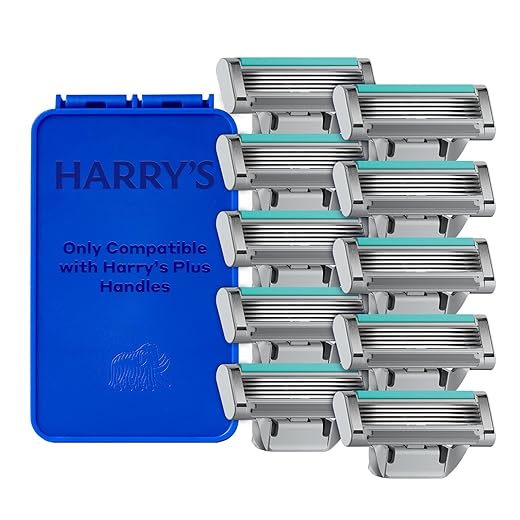
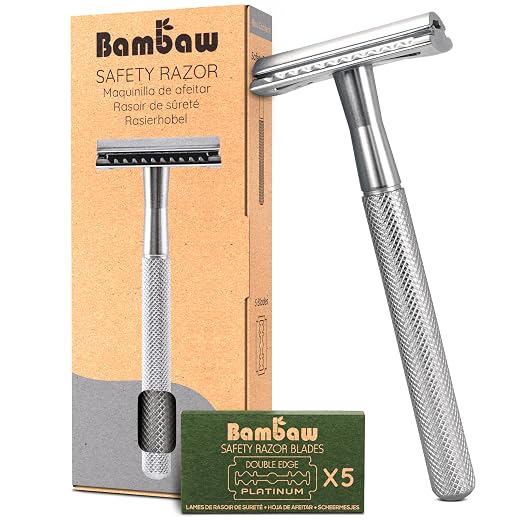
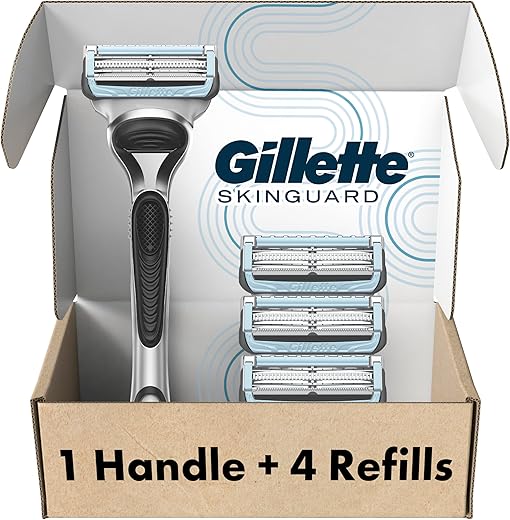
Single-blade razors (straight razors, double-edge safety razors like the Merkur 34C, and single-blade disposables) use one sharp edge that you guide at a controlled angle to slice hair cleanly. Multi-blade cartridge systems (two-, three-, four- or five-blade) use a front blade to “lift” the hair and trailing blades to cut it progressively closer — that’s the classic lift-and-cut design you see in the Gillette Mach3 or similar three-blade heads.
Key design features that change feel and result
- Blade count and spacing: Wider spacing on a single blade means one clean cut; tightly spaced blades in cartridges create a cascading cut.
- Head pivot and geometry: Pivoting heads follow contours (good for jawline/neck); fixed heads (many safety razors) require you to angle more deliberately.
- Lubricating strips and ingredients: Cartridge strips often contain glycerin, aloe, vitamin E, or menthol to reduce drag; single-blade setups rely more on shave cream/soap lather.
- Handle weight and balance: Heavier safety-razor handles (stainless/metal) give more control with light hand pressure; lightweight cartridges feel nimble but may encourage pressing.
How that translates on your face
- Cheeks: Single blades glide smoothly on flat surfaces; cartridges adapt to minor bumps.
- Jawline: Pivoting multi-blade heads can follow the curve more easily; a safety razor needs a steady 30° tilt but rewards you with a precise cut.
- Neck: Finer hair and sensitive skin often respond better to a single, sharp pass; multiple blades can tug if you press too hard.
Practical tip: start with short, light strokes and learn the angle for your chosen razor — the next section will explore how shave quality and skin comfort differ in everyday use.
Shave Quality: Close, Comfortable, and Long-Lasting ResultsWhat “close” really looks like
Closeness isn’t just “how smooth it feels right after.” It’s how little stubble you can detect by touch, how long until you see regrowth, and whether you can go a full day (or more) without itch or five-o’clock shadow. Single blades (straight, DE safety razors like the Merkur 34C or Bambaw) cut hair cleanly at the skin’s surface. Multi-blades (Gillette Fusion ProGlide, Schick Hydro 5, Harry’s cartridges) often feel smoother right away because successive blades cut lower by lifting hair first.
How hair type and passes change the outcome
- Coarse, curly stubble: A single, sharp blade reduces tug and ingrown risk by making one precise cut. If your beard is dense, one careful pass with a DE razor can beat multiple passes with a cartridge that may pull.
- Fine, fast-growing hair: Multi-blade cartridges can get you a cosmetically closer look faster; you might prefer them for quick morning shaves.
- Sensitive or combination skin: Fewer passes are usually better. Two controlled passes (with and across the grain) often balance closeness and comfort.
Practical ways to test and measure closeness
- Fingertip test: Run fingertips lightly across different areas—no dragging, just a smooth glide.
- Visual check: Look for tiny dark dots at the hairline; less visible = closer.
- Time test: Note when stubble becomes noticeable (morning, noon, next day).
- Compare setups: Shave one side with a single blade and the other with a cartridge; track comfort and regrowth over 24 hours.
Comfort vs. closeness — quick safety tips
- Use light pressure; let razor weight do the work.
- Limit passes and re-lather between passes.
- Use lubricating ingredients (glycerin, aloe vera, vitamin E) in strips or creams to reduce friction.
- Replace blades regularly to avoid dullness-related tug.
Next up: a closer look at how these choices affect skin health and irritation, so you can match technique and product to your skin’s needs.
Skin Health and Irritation: Which Razor Is Gentler on Your Skin?Why blade count matters for irritation
Multi-blade cartridges can touch your skin multiple times in one stroke. That often means more friction, repeated micro-trauma, and a higher chance of redness or razor bumps if you’re sensitive. A single sharp blade (DE or straight) usually makes one clean cut — less tug, fewer passes — but only if you use the right technique. Your skin type and shaving habits matter more than blade count alone.
A simple, skin-friendly shaving routine
Follow these steps every time to reduce irritation:
- Hydrate the beard for 2–5 minutes (warm shower or wet towel).
- Use a rich lather or cream with soothing ingredients like glycerin, aloe vera, shea butter, or vitamin E.
- Gently exfoliate 1–2× a week to free trapped hairs (not right before an aggressive shave).
Technique that keeps skin calm
- Hold the razor at about a 30-degree angle and use very light pressure — let the razor’s weight do the work.
- Limit yourself to 1–2 passes: with the grain first, then across the grain only if needed.
- Rinse blades often and replace them when they tug or feel dull.
Safety, nicks, and tricky skin
- Avoid shaving over active acne, sunburn, or open irritation — you can make those worse.
- For small nicks: rinse, apply gentle pressure, then a styptic pencil or alum block; follow with a fragrance-free balm or petroleum jelly.
- Don’t pick at ingrown hairs; instead, use warm compresses and gentle exfoliation.
If you have stubborn razor bumps, repeated infections, or ongoing irritation that home care doesn’t improve, consider consulting a dermatologist for personalized advice.
Skill, Technique, and Time: What You’ll Need to Learn With Each RazorThe learning curve: single-blade vs. cartridge
Single-blade tools (double-edge safety razors or straight razors) ask you to learn angle, pressure, and stroke. Expect a deliberate learning curve: mastering a roughly 30° blade angle, using short, controlled strokes, and changing blades safely. Cartridge razors feel familiar—most people already know the back-and-forth motion—so the technique is quicker to pick up.
Beginner-friendly safety-razor routine (DE/straight)
- Soften beard 3–5 minutes with warm water.
- Apply a lather with a brush or hands (look for glycerin, aloe vera, shea butter, vitamin E).
- Hold the razor at ~30°; use the razor’s weight, not pressure.
- Take short, 1–2-inch strokes; rinse the blade after every few strokes.
- One pass with the grain; across-the-grain only if needed.
- Rinse, pat dry, apply an alcohol-free balm.
Safety tips: change the blade using the head screws or TTO mechanism; dispose of used blades in a blade bank; go slow in areas with uneven contours.

Quick cartridge routine for rushed mornings
- Wet face and apply a small amount of gel or foam (glycerin or aloe-based works well).
- Use light, even strokes—no pressure.
- Rinse the cartridge frequently.
- One or two passes: with the grain, then maybe across the grain.
- Rinse, pat dry, apply quick balm.
Real-world: a cartridge shave can take 3–6 minutes; a mindful DE shave runs 10–20 minutes once you’re comfortable.
Maintenance & time estimates
- Cartridge blades: replace every 5–10 shaves (depends on coarseness).
- DE blades: replace every 3–7 shaves; straight blades need stropping/honing.
- Clean heads with water, occasional soft brush, and air-dry; store open to prevent rust.
- Deep clean monthly with mild dish soap or 70% isopropyl alcohol for hygiene.
Match technique to your life: a ritual you enjoy or a fast, reliable shave—both are doable with a little practice and basic maintenance.
Products, Ingredients, and Prep: How to Get the Most from Your RazorWhat products to have on your sink
You don’t need a cart full of gear—focus on a few essentials:
- Pre-shave oil (optional)
- Shaving cream, soap, or gel
- Lathering brush or hands
- Alum block or styptic (for nicks)
- Aftershave balm or witch hazel toner

Key ingredients and what they do
Here are common ingredients you’ll see and why they matter:
- Glycerin — humectant, helps skin retain moisture and creates slickness.
- Stearic acid — builds stable, creamy lather (common in soaps/creams).
- Coconut oil / sodium cocoate — gives cleansing and lather; can be conditioning.
- Shea butter, castor oil, olive oil, lanolin — moisturizing, protective fats.
- Aloe vera, allantoin, vitamin E (tocopherol) — soothe and aid skin comfort.
- Propylene glycol — hydrates and helps product spread.
- Fragrance / essential oils — smell good but can irritate sensitive skin—patch test first.
- Mild surfactants (e.g., sodium laureth sulfate) — in gels for quick foam.
- Razors/blades: stainless steel, chrome plating, and low-friction coatings (PTFE-style) reduce corrosion and drag; lubricating strips often contain aloe and vitamin E for glide.
Simple prep and step-by-step routine
- Soften hair with hot water or a 1–2 minute hot towel.
- Optional pre-shave: a few drops of a light oil—try jojoba with one drop of glycerin—rub into damp beard.
- Lather: use a synthetic brush for quick foams or your hands for convenience; soaps/creams need a little more water to bloom.
- Shave with care and rinse.
- Post-shave: pat dry, apply alcohol-free balm or witch hazel-based toner to soothe.
Safety notes
Always patch-test fragranced products. If your skin is easily irritated, avoid strong alcohol aftershaves and heavy essential oils. Use an alum block only briefly and rinse—don’t overuse.
Next up: practical shaving tips, safety advice, and a compact buying guide to help you pick the right razor and products for your routine.
Practical Tips, Safety Advice, and a Simple Buying GuideSafety basics and nick care
When you nick yourself, apply gentle pressure with a clean tissue to stop bleeding, rinse the area, then use a styptic pencil or an alum block (potassium alum) to close the cut. Don’t rub alcohol on fresh nicks — it stings and can dry skin out. Keep a small first-aid kit by your sink.
Blade care, disposal, and hygiene
Dispose of used blades in a blade bank or a sealed metal container (an emptied tin works). Replace blades based on beard thickness and frequency: double-edge (DE) blades commonly last 3–10 shaves; cartridges often last 5–15 shaves. Dry blades between uses to prevent rust; store your razor upright in a ventilated spot. If you need to disinfect, wipe blades briefly with 70% isopropyl alcohol and let them air-dry.

Buying guide — budget and features
- Starter safety-razor kits: look for a closed-comb head and an easy blade-change design (three-piece or butterfly). Examples: Merkur 34C (classic weight) or Edwin Jagger DE89 for smooth learning curves.
- Cartridge options: consider subscription services (Dollar Shave Club, Harry’s) if you value convenience.
- Replacement blades: buy from Amazon, West Coast Shaving, BullGoose, or direct from razor makers. Try sampler packs to find the blade that fits your skin.
Environmental and practical considerations
DE blades create far less plastic waste and are recyclable as metal. Cartridges are convenient but generate more plastic; check your brand’s recycling program.
First-time checklist
- Razor & sampler blades
- Shaving cream/soap and brush or gel
- Alum block or styptic, isopropyl alcohol
- Blade bank/metal disposal tin
- Mirror, hot water, and patience
Quick troubleshooting FAQ
- Tugging? Try a fresh blade, better lather, and a 30° shaving angle.
- Clogging? Rinse often, use a comb-head razor, or thin your lather slightly.
- Persistent irritation? Reduce passes, switch blades, and increase hydration time.
With these practical steps you’ll be ready to test both razor styles safely — next, the article’s conclusion will help you choose.
Which Should You Choose? Quick Takeaways and Next Steps
The best razor depends on your priorities: single blades reward patience and technique with less long irritation and less waste, while multi-blade cartridges give fast, familiar results for quick routines. Try a short trial using good prep (hot water, quality shaving cream or soap, alum or witch hazel) and follow the safety checklist.
If you’re new, consider a beginner safety-razor kit to test single-blade shaving with your cartridge razor before switching.

Cartridge guy here — Gillette Mach3 refills are what I grew up with. Quick, no drama. But yeah, the article is right: I do get irritation sometimes if I press too hard. Maybe time to try a brush and some Foamy instead of my gel.
Technical take: multi-blade razors work by shearing hair repeatedly which can give the illusion of a closer shave but also lifts and cuts below skin level = ingrowns. Single-blade avoids that. If you’re into numbers, angle and blade exposure matter more than brand.
PS: Harry’s cartridges are decent for beginners; if you want to dive deep, try different single-edge blades and measure comfort over a month. Also: rinse, rinse, rinse — clogged blades = tugging.
Keep a shave log — note products, blades, technique, irritation level (1-10) and closeness. You’ll see patterns fast.
Nice breakdown, Jacob. Any testing method you recommend for tracking irritation vs closeness objectively?
I did a 30-day test switching weekly between Harry’s and a DE and the log helped me choose my winner.
Exactly — a simple log works wonders. Also try one variable at a time (e.g., change blade brand only) so you can attribute results.
Good practical approach. Might add a template in a follow-up post if people want it.
I’ve switched to a Matte Black Reusable Double-Edge Safety Razor a few months ago and honestly my skin’s never been happier. Took a couple of weeks to get the angle right but once you do it’s so smooth.
Pros: less irritation, cheaper blades, looks cool on the sink. Cons: learning curve and takes a bit longer in the morning. Worth it? For me — yes.
Thanks for sharing, Sarah — great real-world perspective. Which blades have you been using with that razor?
Nice — Astra is a common favorite. If anyone’s nervous to start, practicing on non-critical areas or watching a quick technique vid helps a lot.
Buying guide thoughts: if you’re on a budget, start with Amazon Basics or a cheap cartridge pack (Harry’s or Gillette Mach3) to see what you like. If you commit, invest in a Viking Revolution or Bambaw kit.
Also think about replacement costs: DE blades are cheap, cartridge heads not so much. The article’s ‘Quick Takeaways’ nailed the cost-vs-convenience tradeoff.
Great summary, Sofia. Any budget numbers you can share from your experience (monthly cost)?
I spend like $2–3/month on DE blades vs $15–20 on cartridges — big difference over a year.
Single-blade = better for closeness in my experience. I use the Matte Black DE and a Gillette Foamy sometimes when I’m lazy lol. The article’s mechanical breakdown helped me understand why the single blade cuts clean and avoids pulling like multi-blades can.
Thanks, Noah — glad the mechanics section clicked for you. Do you wet-shave daily or less often?
I only wet-shave every other day — gives time for any irritation to calm.
Every other day for me too. Daily was too harsh at first.
I appreciated the ‘Skill, Technique, and Time’ section. The article didn’t sugarcoat that a DE razor takes practice. I gave it a try and spent more time on Sunday shaves practicing angles.
Also wanted to say: Gillette Foamy is a nostalgia item for me — it foams fast and cheap. Not the best for sensitive skin but it does the job.
Go slow, very light pressure, and short strokes. Angles around 30 degrees usually do the trick.
Glad that section helped! Any technique tips you found useful as a beginner?
Quick question — for someone with really sensitive skin and a lot of facial hair density, would you recommend Harry’s 5-blade or a safety razor (like Bambaw)? Looking to avoid ingrowns.
Long post but TL;DR: it depends.
I alternate between a Viking Revolution Luxury Safety Razor Shaving Kit and Harry’s Plus Five-Blade cartridges depending on morning chaos. The kit gives me the cleanest result and way less ingrowns, but on rushed days I reach for Harry’s — quick and reliable.
The article’s section on prep is super important: warm shower, glycerin-based soap or foam, and light stretching of the skin. Also, if you have curly hair, single-blade can save your life. Seriously.
Anyone else rotate like this?
Totally agree on curly hair — switched to single-blade and ingrowns dropped like 80%.
Good tips from everyone. For those worried about cost: a pack of double-edge blades usually runs way cheaper per shave than cartridge refill packs.
Thanks, Ava — rotating is a smart approach. Do you notice a big difference in blade lifespan between the safety razor and cartridges?
Yep. Cartridge blades gunk up faster for me. Safety razor blades last longer and are cheaper overall.
Also, don’t forget to replace cartridge heads before they tug — that’s a big cause of irritation.