

 Good Looking

Electric Shaver vs. Manual Razor: Which Is Right for Your Routine?
You want smooth skin with as little fuss as possible, but should you reach for an electric shaver or a manual razor? Each option trades speed and convenience for closeness and cost. This guide helps you choose based on skin type, body area, budget, and time.
Written for first-time or casual users in the United States, it uses plain language and practical examples. You’ll get safety tips, step-by-step technique, and product and ingredient advice so you can pick what fits your routine and lifestyle.
Start here with confidence today.


Top 5 Best Electric Razors for Women — Comprehensive Buyer’s Guide
How Electric Shavers and Manual Razors Work: The Basics You NeedElectric shavers: foil vs. rotary, motors, and batteries
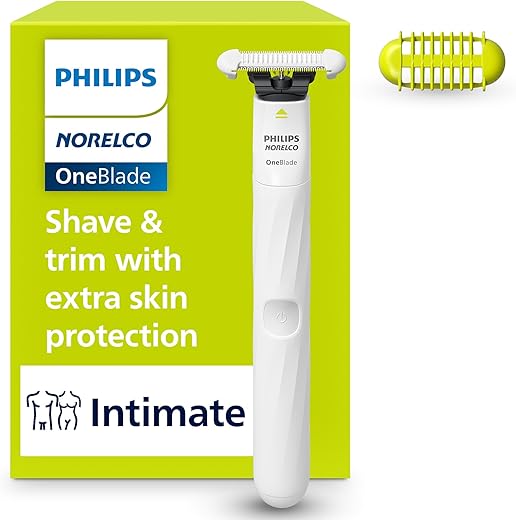
Electric shavers cut hair with a guarded system: hair enters tiny slots or holes in a metal guard and is cut by an oscillating blade beneath. Foil shavers (example models: Braun Series 7) use a straight foil with tiny perforations and a back-and-forth cutter; they’re precise on flat areas. Rotary shavers (example: Philips Norelco 7000) have three circular heads that spin and follow curves.
Simple diagram (text):
Foil: [skin] — foil (holes) — oscillating blade
Rotary: [skin] — three rounded heads — spinning cutters
Motor speed affects how fast the blades oscillate/rotate; faster motors cut thicker hair more easily but can generate more heat. Battery types matter: modern lithium‑ion (Li‑ion) cells charge faster and hold charge longer than older NiMH packs — useful for travel or daily touch-ups. Safety tip: don’t press hard; let the guarded blades do the work to avoid irritation.
Manual razors: single blade vs. multi‑blade cartridges
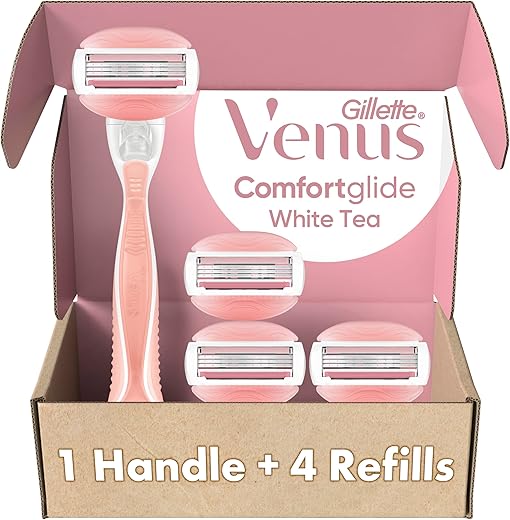
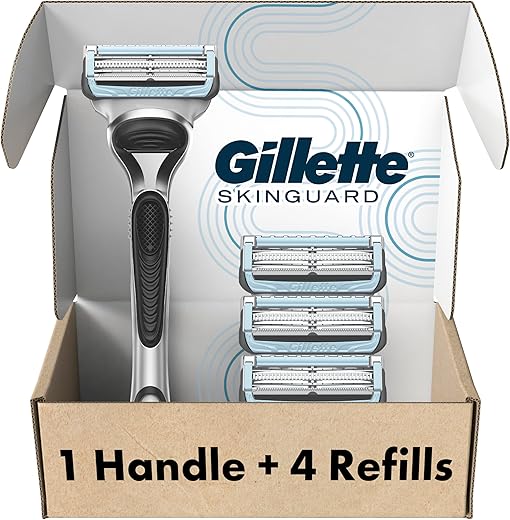
Manual razors remove hair directly at skin level by trimming with an exposed sharp blade. Single blades (safety razors or disposables) give precise control and can reduce irritation for some; multi‑blade cartridges (Gillette Venus, Schick Hydro Silk) stack blades so each successive blade pulls and cuts hair closer.
Blade angle and tension are crucial: hold the razor at roughly a 30° angle and keep light, steady pressure. Tension in the cartridge keeps blades aligned; worn cartridges increase tugging and nicks. Lubricating strips often contain aloe, vitamin E, or glycerin to reduce friction—look for those ingredients if you have sensitive skin.
Quick comparison and practical examples
- Electric: trims slightly above skin — great for fast touch‑ups, sensitive skin, or travel.
- Manual: cuts at skin level — best when you want very smooth results (legs, underarms for special occasions).
Practical tip: test each method on a small patch (inner forearm or ankle) to see how your skin reacts before committing to a full shave.
Pros and Cons of Electric Shavers for WomenYou’ve seen how electric shavers work — now let’s weigh the real-world benefits and tradeoffs so you can decide what matters most for your routine.
Pros: Why you might choose electric
- Speed and convenience — Quick dry shaves let you tidy legs or underarms in the morning without water or cream (perfect for rushed weekdays or gym mornings).
- Lower risk of nicks and cuts — The guarded blades are forgiving, so you’re less likely to nick ankles or tender areas.
- Good for sensitive skin when used properly — With the right technique and attachments, you can reduce razor burn and irritation.
- Long-term savings on consumables — No cartridge refills; once you buy the shaver you mostly replace only blades/heads occasionally.
- Travel-friendly and cordless options — Battery-powered models let you shave on the go; useful for weekend trips or busy commutes.
Cons: What to watch out for
- Not as close as a manual razor — Electric shavers usually leave a tiny bit of stubble compared with a cartridge razor. If you want ultra-smooth for a special event, you may prefer a manual shave.
- Upfront cost — Higher-quality electric shavers cost more initially than a pack of disposable razors.
- Battery and maintenance — You’ll need to charge, occasionally replace batteries, or deal with reduced runtime over years.
- Can tug on very coarse hair — If you have thick, coarse hair, some models may pull before cutting; higher-powered motors or foil styles tend to perform better.
Quick safety & maintenance tips
- Test on a small patch first.
- Keep heads and attachments clean (mild soap, isopropyl alcohol, or manufacturer cleaners). Lubricate moving parts with light machine oil if recommended.
- Respect the waterproof rating — only wet-shave if the model is rated for it (IPX or “wet/dry” label).
- Replace cutter heads per manufacturer timelines to avoid tugging.
Next you’ll compare these points directly with what manual razors offer so you can match tool to task.
Pros and Cons of Manual Razors for WomenYou’ll learn why many people still prefer manual razors for their closeness and precise shaping. Below are practical, beginner-friendly points so you can decide when a manual razor fits your routine.
Why people choose manual razors
- Ultra-close finish — Manual blades often give the smoothest result, great when you want that silkiest look for special events.
- Precision control — Easier to shape around ankles, underarms, and the bikini line for clean edges and touch-ups.
- Low upfront cost — A disposable pack or basic cartridge razor is cheap to buy and easy to replace.
- Wide availability — Drugstores and supermarkets carry many blade types, handles, and refill cartridges.
Downsides to consider
- Higher risk of nicks and cuts — Sharp exposed blades mean you can slice the skin if you rush or angle the razor wrong.
- Possible irritation for sensitive skin — Multi-blade cartridges can pull and then cut hair below the skin, increasing razor burn and ingrown hairs for some people.
- Recurring cost — You’ll replace blades or buy disposables regularly, which adds up over months.
- Need for shaving cream/gel — To get that close, you should use a lather; dry shaving with a manual razor is not recommended.
Practical examples
- When it shines: You’re prepping for a wedding or beach day and want an ultra-smooth leg finish or precise bikini shaping.
- When it’s a poor choice: You’re prone to razor burn, ingrown hairs, or have very sensitive skin — a gentler method may be better.
Safety tips & best practices
- Replace blades often — generally every 5–10 shaves or once blades feel dull; change sooner if you notice tugging.
- Store blades dry — rinse, shake off water, and keep in a dry spot to prevent rust and bacteria.
- Choose blade count to match your skin — single- or double-blade for very sensitive or ingrown-prone skin; 3-blade for normal skin; 4–5 blades for those seeking maximum closeness but who tolerate them well.
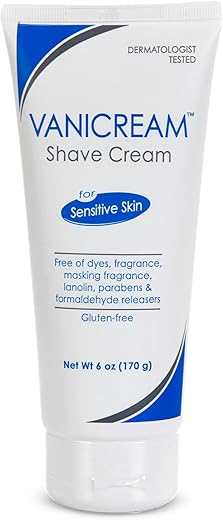
- Pick gentle shaving creams with soothing ingredients like glycerin, aloe vera, and ceramides; avoid high-alcohol or heavily fragranced gels if you’re sensitive.
Next up: we’ll match these trade-offs to different skin types and body areas so you can pick the best tool for each part of your routine.
Which Is Better for Different Skin Types and Body Areas: Practical ExamplesBy skin type — quick picks and why
Sensitive: choose an electric shaver with a hypoallergenic foil or a single-blade manual razor plus a gentle shave cream (look for glycerin, aloe vera, ceramides). Test a small patch first; avoid multi-blade cartridges if you get bumps.
Normal: you can go either way — a 3‑blade razor or a mid-range wet/dry electric works well.
Dry: prefer moisturizing formulas and less friction — a moisturizing shave cream or oil plus a sharp manual blade gives fewer passes; electric shavers with moisturizing strips help, too.
Combination: treat each area differently — electric for sensitive zones, manual for places where you want closeness.
If you have coarse hair, a sharp manual blade often gives a cleaner cut, but a powerful rotary or foil electric can save time and reduce pulling.
By body area — practical mini-scenarios
Legs — before the gym: quick, efficient. Steps: soak or shower, use a hydrating shave cream (glycerin/aloes), shave with the grain, rinse, pat dry, apply light moisturizer (hyaluronic acid or ceramide lotion). Safety: test blades, don’t press hard, replace dull blades.
Underarms — quick touch-up in 2 minutes: trim long hair first, hold arm overhead, use short strokes with a single or 3‑blade razor or a small foil electric. Do: shave gently, moisturize. Don’t: shave over irritation or active bumps.
Bikini — careful trimming and shaping: trim with scissors or a trimmer, then use a single-blade or foil shaver for edges. Steps: exfoliate 24 hours before, shave slowly with calm skin, rinse with cool water, apply soothing gel (aloe). Safety: avoid deep cuts; test a patch.
Face/neck — precision and sensitivity: for peach fuzz, a gentle foil electric or a single-blade razor with a fragrance‑free cream works best. Do: shave along muscle lines, avoid acne lesions, and use a soothing aftercare product with niacinamide or panthenol.
Quick dos & don’ts: always patch-test products, avoid pressing hard, don’t shave over cuts or active acne, exfoliate gently to lower ingrown risk.
Next, we’ll cover specific product recommendations, ingredient callouts, and the accessories that make each approach easier.
Products, Ingredients, and Accessories: What to Buy and WhyElectric-shaver features to look for
Choose by how and where you shave: wet/dry capability, foil vs. rotary heads, battery life (look for 40+ minutes), replaceable heads, a travel lock, and USB charging or a docking station. For sensitive skin, seek “hypoallergenic” foils or ceramic blades. Example picks:
- Budget: Philips SatinShave Essential or Panasonic ES2207 — simple, wet/dry, easy to replace heads.
- Mid-range: Braun Series 3 Women — reliable battery, replaceable foil.
- Splurge: Braun Silk·épil Lady Shaver or Philips Satinelle Prestige — extra accessories, longer-life heads.
Manual-razor options: cartridges vs. safety razors
Cartridge razors (Gillette Venus line, Schick Hydro Silk) are beginner-friendly, quick, and forgiving. They have lubricating strips and pivoting heads but cost more per blade change.Safety razors (Merkur Classic or Parker) use a single double-edged blade: lower ongoing cost, less tugging for some, and a different learning curve—more technique required and replaceable blades sold in packs.
Must-have accessories
- Replacement heads and blade cartridges
- Travel cases and charging docks
- Exfoliating brushes or mitts (dry-brush gently before bikini/legs)
- Trimmer attachments for underarms/bikini
- Aftercare balms and soothing gels
Ingredients to know (and why they matter)
- Glycerin, propylene glycol — moisture and glide
- Aloe vera, panthenol (B5) — soothing, calming post-shave
- Shea butter, coconut oil — conditioning and softening
- Stearic acid, potassium hydroxide — used in soaps/creams to build lather
- Surfactants (e.g., sodium lauryl sulfate) — clarifying but can irritate sensitive skinAvoid heavy fragrances and certain preservatives (parabens, formaldehyde releasers) if you’re reactive — patch-test new products on a small area first.
Next up: step-by-step safety, technique, and aftercare tips so you can get the best results from whichever tool you choose.
Safety, Technique, and Aftercare: Step-by-Step GuidanceManual razor: step-by-step
- Prep: soak in warm water for a few minutes (in-shower is ideal).
- Lubricate: apply a creamy shave product with glycerin or aloe for glide.
- Shave: use short, light strokes; start with the grain on your first pass.
- Re-lather if needed and go across the grain only if necessary—avoid multiple aggressive against-the-grain passes.
- Replace blades: cartridge razors (Gillette Venus, Schick Hydro Silk) every 5–10 shaves or once you feel tugging; safety-razor blades every 3–7 shaves.
Example: for quick legs before work, wet skin, use a cartridge razor with a glycerin-rich cream, and finish with a lightweight lotion.
Electric shaver: step-by-step
- Trim: cut long hairs first with a trimmer attachment.
- Prep: for wet/dry models you can shave on damp skin; for dry-only, ensure skin is clean and dry.
- Technique: hold skin taut; move a foil shaver (Braun Series 3) in straight lines, a rotary head (Philips SatinShave) in small circles. Go slowly and let the device do the work.
- Clean: rinse or brush the head after each use; deep-clean or replace heads per manufacturer (typically every 12–18 months).
Aftercare
- Rinse: cool water to remove residue, then gently pat dry—don’t rub.
- Soothe: use an alcohol-free moisturizer or post-shave balm with aloe, glycerin, or panthenol (B5). Shea butter or light oils can help drier skin.
- Avoid: heavy fragrances and harsh alcohol-based products for the first 24–48 hours.
Safety tips & batteries
- Nicks: rinse, apply gentle pressure with a clean tissue; use a small amount of antiseptic or petroleum jelly if needed.
- Battery care: follow the manual—modern shavers use Li‑ion cells; avoid leaving devices at 0% long-term and store partially charged for long periods.
- Storage: keep razors and heads dry to prevent corrosion.
Reduce ingrown hairs & when to skip
- Prevent: exfoliate gently before shaving, don’t press too hard, and avoid excessive against-the-grain passes.
- Skip shaving if you have open cuts, sunburn, active irritation, or fresh waxing—wait until skin has healed.
Ready for the final decision? The Conclusion will help you match the tool to your lifestyle.
Making Your Choice: Match the Tool to Your Lifestyle
You’ve seen strengths and weaknesses: pick an electric shaver for speed, convenience, and fewer nicks, or a manual razor for the closest finish and precise shaping.
Test products, check ingredients, consider your skin and hair, and follow aftercare regularly now.


Long post incoming — hope it helps someone.
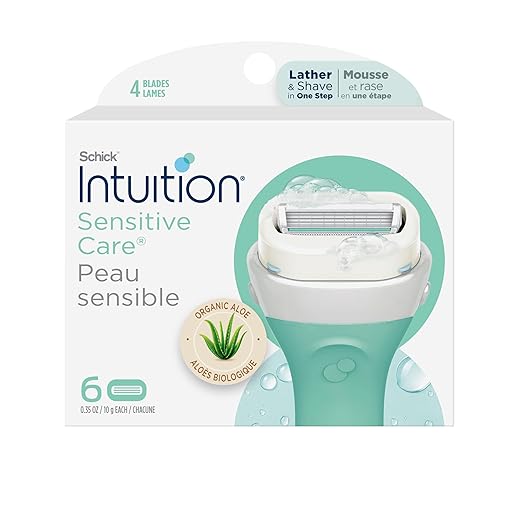
I have combo: sensitive skin on legs, eczema patches on thighs. I used disposables for years (Gillette Venus Sensitive 3-pack) but kept getting red bumps. Tried Schick Intuition Sensitive Care refills after reading about the soap-guard idea, and wow — less irritation because it lathers and shaves at once.
Electric shavers (tried the Panasonic) were great for quick touch-ups and underarms, but they didn’t give me the same smooth finish on my calves. For me: Schick for the big, smooth areas + electric for quick dashes and sensitive zones.
Also, tip: exfoliate gently 24 hours before, and moisturize after — game changer. 🙂
Good point about the eczema — always test a patch first. I didn’t think about that until my partner warned me.
Sophie, would you recommend a specific moisturizer? I always end up with flaky skin after shaving.
Thanks for the detailed breakdown, Sophie — the combo approach matches the article’s recommendations for matching tool to body area and skin type. Your exfoliate/moisturize tip is especially useful.
This sounds exactly like my routine! I hate the feeling of stubble, so I use Schick for legs and the Panasonic for underarms.
Nora — I stick to a fragrance-free, ceramide-rich lotion. Aveeno and CeraVe both work for me. Apply right after patting dry.
Quick thought: anyone else annoyed by how many replacement cartridges exist? I switched to a 4-blade electric partly to avoid the refill nightmare.
Battery/sustainability wins for me, but I do miss the super-close manual finish sometimes.
I recycle blades where possible at the store. It helps a bit.
Cartridge waste is a common complaint. The article’s product section touches on refill vs. disposable costs and environmental considerations — electric shavers reduce cartridge waste but have electronic waste trade-offs.
Totally — and think about long-term cost: replacement gel and cartridges add up. Electric often pays off after a year or two.
Need some quick tips: aftercare products — what should I absolutely have? And technique: is shaving against the grain ever recommended for women or nah?
If you do go against the grain, make sure skin is really slick and don’t press hard. Small strokes help.
I avoid against-the-grain unless I’m using a new blade and a lot of gel. Too risky for bumps for me.
Good questions. For aftercare: fragrance-free moisturizer, aloe gel for soothing, and a mild antiseptic for occasional nicks. Exfoliate gently 24 hours before shaving. Regarding grain: shaving with the grain is safer for sensitive skin; against-the-grain gives a closer shave but raises ingrown risk. The article suggests testing on a small area if you want a closer result.
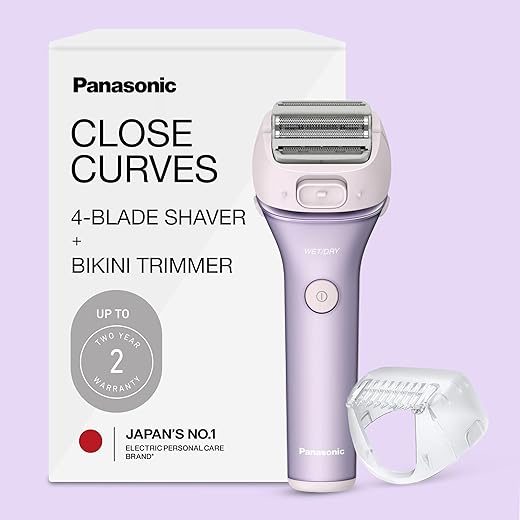
Been using an electric shaver (Panasonic cordless 4-blade) for a few months and honestly it’s been a game changer for mornings.
Quick, no-foam cleanup, and way less nicks than my old razors. Not as close as a cartridge razor but close enough for my legs and underarms. Battery lasts a decent amount — I charge once a week with light use.
Minor gripe: it can tug on really long hairs, so I trim first if I’ve let things grow out. Overall: 8/10 from me.
Thanks for sharing, Mark — great practical tip about trimming first. The article mentions that electric shavers work best on shorter hairs, so trimming before use is spot on.
Good to hear battery life is decent. Did you get the one with the charging stand or USB? I’m picky about cords.
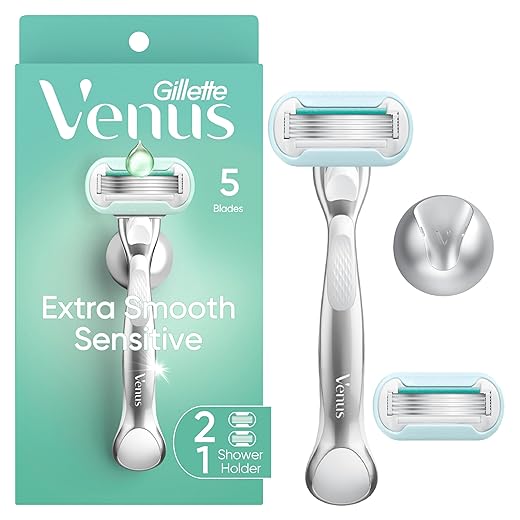
I have very sensitive skin and hormonal bumps. I used to swear by Gillette Venus Extra Smooth Sensitive razor kit but still had issues. Schick Intuition helped, and recently a friend recommended trying an electric shaver for sensitive areas — less irritation but not as close.
The article’s skin-type section is on point: it’s trial-and-error. Don’t be shy to switch methods if you keep getting ingrowns.
Thanks for sharing your experience, Nora. The article encourages patch testing and suggests aftercare products to minimize bumps — look for non-comedogenic, fragrance-free lotions and consider a gentle chemical exfoliant if ingrowns persist.
Nora — have you tried using an exfoliating mitt a couple times a week? Helped reduce my ingrowns a lot.
Question for folks who do bikini care: has anyone tried the Ufree rechargeable waterproof bikini trimmer? I’m allergic to razor bumps and wondering if a trimmer might be safer.
Any tips on technique? Should I use it dry or in the shower? Also, is it fiddly to clean?
I use a small trimmer like Ufree and love it. Dry for shaping, then rinse. It’s way better than a blade for preventing bumps for me. Just clean the head after each use.
Agree with admin and Sophie. Also, if you get irritated, try using a mild antiseptic or an aloe gel after trimming.
Ufree is mentioned in the products list — it’s designed for sensitive areas and being waterproof makes it easy to clean under running water. For technique: trim dry first to get length down, then you can do a light finish wet if needed. Use gentle, short strokes and avoid pressing hard.
I switched from razors to a trimmer for bikini. Fewer ingrowns, but it doesn’t give the baby-smooth feel of a close shave. Trade-offs!