

 Good Looking
Quick overview: Epilator vs Waxing — which is right for you?
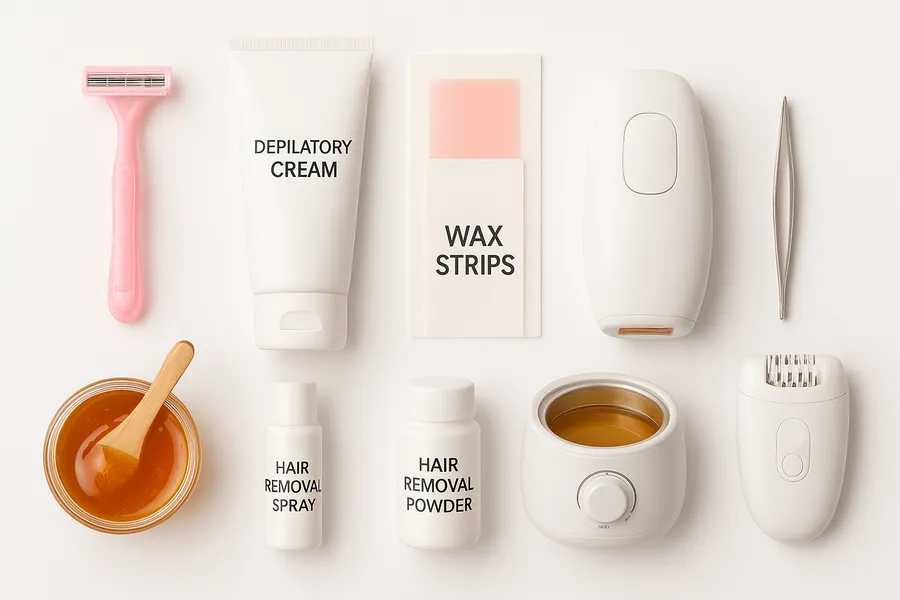
You want smooth skin, but choosing between an epilator and waxing can feel confusing. An epilator mechanically pulls hairs out with rotating tweezers. Waxing removes hair by sticking to it with warm or cold wax — usually made from beeswax, resins, or sugar-based formulas — and ripping hairs from the root. This guide walks you through the essentials in plain language.
You’ll learn how each method actually removes hair, which gives longer-lasting results, and what happens when hair grows back. We compare pain, comfort, and which option suits different skin types and sensitive areas. You’ll also get a clear look at cost, time, convenience, supplies, and common aftercare steps.
By the end you’ll have practical examples, simple safety tips, ingredient notes, and troubleshooting ideas so you can pick the best method for your body, schedule, and comfort level. Right now.


Epilator vs. Waxing vs. Shaving: Pros
How epilators and waxing actually remove hairHow epilators work
An epilator is a small electric device that mechanically grabs and pulls hair from the root. Inside the head are tiny rotating discs or an array of springy tweezers that close and open rapidly, catching hairs and yanking them out as the device moves across your skin. You’ll see parts like the epilator head, the tweezer mechanism, the motor, speed settings (usually low/high), and a plastic housing that holds it all together. Many models are rechargeable; common materials include stainless steel tweezers, plastic casings, and lithium batteries.
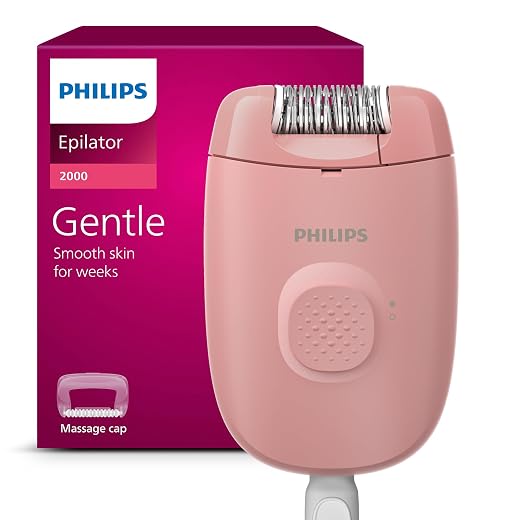
In practice: you glide the epilator slowly against hair growth (or against it, depending on the model instructions), hold skin taut, and work in sections — legs and arms are straightforward; underarms take more care and often a lower speed. If you want a reliable, budget-friendly example, try something like the Philips Series 2000 Corded Body Epilator for basic body use.
How waxing works
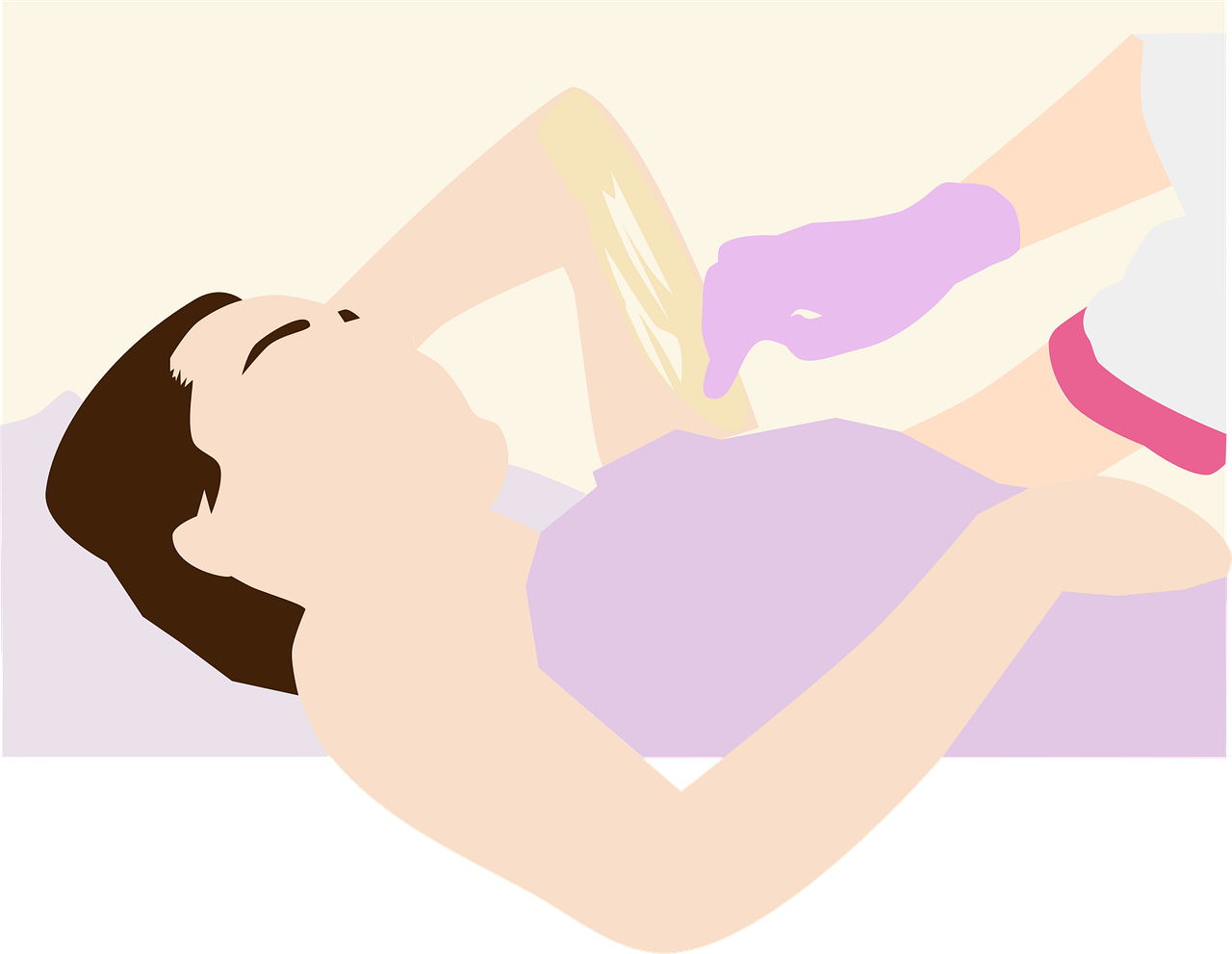
Waxing removes hair by sticking a wax layer to the hair shaft and ripping it out from the follicle. Soft (strip) wax is spread thin, a cloth or paper strip is pressed on, then pulled off quickly. Hard (hot) wax is applied thicker, hardens around the hair, and is removed without strips — it’s gentler for sensitive zones because it grips hair more than skin.
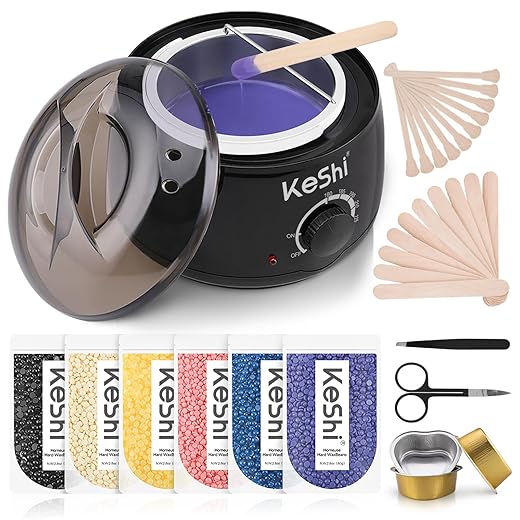
Tools you’ll see: wooden applicator sticks, pre-waxed strips, jars or blocks of hard wax, and sometimes a wax warmer. Wax works best when hair is about 1/4 inch (6 mm) long so it has something to adhere to; very short stubble won’t grab well and overly long hair can be painful or messy.
Common wax ingredients:
- Beeswax
- Paraffin
- Rosin/colophony (a common tacky resin)
- Natural alternatives: sugar (sugaring), karaya, guar gum
- Added resins and carrier oils (jojoba, coconut, mineral oil)
Typical epilator materials:
- Stainless steel tweezers/clamps
- ABS plastic housing
- Rechargeable (Li-ion) batteries
- Rubber grips and replaceable heads
Beginner safety & quick tips
- Always read the device or wax kit instructions before you start.
- Do a small patch test for wax sensitivity (rosin allergies are common).
- Trim hair if it’s too long for waxing — long strands can pull excessively.
- For epilators: exfoliate gently before use and go slowly the first time to learn the angle and pressure that works for you.
Immediate smoothness: both pull from the root
Both epilators and waxing remove hair from the root, so right after treatment you get smooth skin that lasts weeks instead of days like shaving. An epilator (e.g., Braun Silk-épil 9 or Philips Series 3000) mechanically plucks many hairs in one pass; waxing (home kits like Gigi Brazilian or Sally Hansen strips, or salon hot wax) adheres to the hair and rips it out. The immediate finish can look equally clean — the difference shows up in timing, prep, and how well they handle different hair lengths.
Realistic regrowth timelines by area
Regrowth depends on the body area, hair type, and where follicles are in the growth cycle. Typical ranges you can expect:
- Face: 2–4 weeks (facial hairs often grow faster)
- Underarms: 2–4 weeks
- Lower legs: 3–6 weeks
- Bikini area: 3–5 weeks
Not every follicle sheds at once (different anagen/telogen phases), so you’ll see patchy re-growth first. Coarser, denser hair can look noticeable sooner than fine hair.
Time, prep, and how they handle short or stubborn hairs
Practical timing examples:
- Epilator on lower legs: 15–30 minutes (first time may take longer as you learn technique).
- At-home waxing full lower leg: similar hands-on time but add 10–20 minutes for warm-up, application, and cleanup.
Short/stubborn hairs:
- Epilators usually need a minimum length (about 2–3 mm) to catch effectively; they can miss very short stubble.
- Hard wax and professional waxing are better at grabbing shorter hairs — hard wax can often remove hairs shorter than strip wax will.
Beginner tips to maximize effectiveness
- Exfoliate gently 24–48 hours beforehand to free trapped hairs.
- For waxing, aim for hair 1/4–1/2 inch long so the wax grabs properly.
- Use the epilator in small passes, against hair growth (follow your device manual), and keep skin taut.
- Start on a low speed setting and increase as you get comfortable.
Next up: we’ll look at how pain, comfort, and skin type influence which method might suit you best.
Pain, comfort, and what works best for different skin typesWhat the pain feels like
With an epilator you’ll feel lots of tiny pinches or quick tugs as dozens of mini “tweezers” grab hairs — many people describe it as repeated flicks that build into a buzzing sting. Waxing is different: it’s a single, sharp pull that usually hurts strongly for a second and then fades. First sessions often feel worse; many users report the sensation becomes more tolerable after a few treatments as you learn technique and the nerves seem less reactive.
Practical tips to reduce discomfort
- Exfoliate gently 24–48 hours before to release trapped hairs and reduce pulling.
- Take a warm shower immediately before to relax skin and open pores.
- For epilators: start on a low speed and keep skin taut; try a wet/dry model (Braun Silk-épil 9 or Philips Series 3000) so you can use it in the shower — water can lessen sting.
- For waxing: use hard wax (Gigi Brazilian or salon-grade Cirepil) on sensitive areas — it grips hair, not skin, so it’s less painful.
- Numbing creams: only use topical numbing products that are labeled for skin use (e.g., lidocaine-containing creams), follow the manufacturer’s directions exactly, and do a small patch test first.
- Immediate aftercare: apply a cooling gel, aloe vera, or an ice pack wrapped in a cloth for short bursts to soothe redness and heat.
Skin-type recommendations
- Oily skin: exfoliate regularly and keep pores clean; both methods work, but waxing can pull out pore-clogging debris.
- Dry skin: hydrate with a fragrance-free moisturizer after 24 hours; epilators can irritate dry, flaky areas more easily.
- Sensitive or reactive skin: prefer hard wax for bikini and underarms; use the lowest epilator speed and wet mode if possible.
- Reactive/rosin-sensitive: many waxes contain rosin (pine resin). Do a patch test and consider rosin-free or hypoallergenic waxes if you react.
Safety and when to skip it
Avoid epilation or waxing over sunburn, open wounds, active eczema/psoriasis, or inflamed acne. Patch-test any new wax or cream for 24–48 hours. If you get severe redness, swelling, blistering, or an allergic reaction, stop and see a professional. For persistent irritation or unexpected reactions, consult a dermatologist or licensed aesthetician.
Next, we’ll compare cost, convenience, and long-term practical trade-offs so you can weigh what fits your routine.
Cost, convenience, and long-term practical considerationsUp-front vs ongoing costs
Think in two buckets: what you pay once, and what you pay repeatedly.
- Epilator up-front: $40–$200 for a good model (cheaper cordless basics to premium models with extras). Ongoing: occasional replacement heads ($10–$40), batteries or charging cable replacements rarely.
- At-home waxing kits: $15–$60 initially for a wax heater bundle. Ongoing: wax refills, wooden spatulas, and single-use strips — typically $5–$25 per refill.
- Salon waxing: $30–$100+ per session depending on area and location; costs add up if you wax every 4–8 weeks.
If you plan to maintain smoothness long-term, an epilator can be cheaper after a few sessions compared with regular salon appointments. But if you value not doing the work yourself, salon costs can be worth it.
Convenience: time, setup, and travel
How much time and effort do you want to spend?
- Epilators: once you learn the motion, a leg session can take 15–30 minutes. Cordless, rechargeable epilators make travel easy and let you use wet/dry models in the shower for less sting.
- Waxing: at-home waxing takes prep (heating, applying, waiting, cleanup) and can be messier. Professional waxing is fast — a trained aesthetician can finish a Brazilian in 15–30 minutes — and usually gives a smoother finish, especially on tricky contours.
Practical example: if you’re on the road a lot, a compact rechargeable epilator is handier than carrying wax pots and strips. If you prefer quick, no-learning-curve results, occasional salon visits might save you time and anxiety.
Environmental and practical shopping tips
Think beyond money: single-use wax strips create regular waste; many hard waxes and sugar waxes are biodegradable, and epilators are reusable for years.
- Look for epilators with multiple speed settings, washable heads, and a strong warranty. Models with replaceable heads (easier to clean) and good battery life matter.
- For wax kits, read ingredient lists: choose sugar-based formulas (water, sugar, lemon) or rosin-free/hypoallergenic waxes if you’re sensitive to pine resins.
- Read reviews for durability and customer support; a well-supported device can save you replacement headaches.
These practical factors — time, travel habits, waste, and ongoing cost — will help you pick what fits your life and budget.
Aftercare, common problems, and troubleshooting tipsImmediate aftercare (first 0–2 hours)
Right after epilating or waxing, treat the area gently. Cleanse with a mild, fragrance-free antiseptic cleanser to remove oils and bacteria. Pat dry — don’t rub. Apply a thin layer of pure aloe vera gel or a non-comedogenic lotion (look for “non-comedogenic” on the label) to soothe redness. If you prefer oils, use a light, soothing option like jojoba or sweet almond oil sparingly — they calm the skin without clogging pores.
Next 48–72 hours
- Avoid hot baths, saunas, and heavy exercise for 24 hours to reduce irritation.
- Use cool compresses if you have heat or swelling.
- Twice daily, gently moisturize with aloe vera gel or a gentle lotion (e.g., a ceramide-containing moisturizer).
- Exfoliate lightly starting 48 hours after removal to prevent ingrown hairs — use a soft loofah or a mild chemical exfoliant containing salicylic acid (follow product instructions and patch-test first).
Removing wax residue safely
To remove leftover wax, apply baby oil, mineral oil, or a dedicated wax remover to the area, let it sit for a minute, then wipe away with a soft cloth. Avoid harsh scrubbing; oils dissolve wax without irritating skin.
Cleaning and maintaining an epilator
- After each use, remove loose hair from the tweezer head with the small cleaning brush that came with the unit.
- If your epilator head is washable, rinse under running water (check the manual first) and let it air-dry completely before reattaching.
- Disinfect non-washable parts occasionally with an alcohol wipe (isopropyl 70%) — avoid soaking the motor.
- Replace heads as recommended by the manufacturer to keep performance strong.
Common problems and quick fixes
- Ingrown hairs: regular gentle exfoliation, moisturize, and avoid shaving the area between treatments.
- Clogged epilator heads: clear hair with the brush, and deep-clean washable heads.
- Wax burns: cool the area with a cold compress and stop using heated wax on that patch; seek professional help if it looks severe.
- Allergic reactions (rash, spreading redness): stop products immediately and consult a professional if it worsens.
Troubleshooting examples
- Epilator missing hairs? Make slower passes, hold skin taut, and try a higher speed setting.
- Wax not sticking? Check that hair is ¼–½ inch long and skin is clean and dry (no oils or heavy lotions).
Safety reminders: avoid sun and tanning beds for 24–48 hours, wear loose clothing to prevent friction, and see a skin-care pro if irritation is severe or spreading.
Next, the Conclusion will help you choose the best method for your routine.
Which should you choose?
If you want a one-time device, lower long-term waste, and results that often improve with repeat use, an epilator may be your best pick. It’s ideal if you prefer doing hair removal at home, don’t mind an initial learning curve and occasional discomfort, and want to avoid ongoing supply purchases. Practical example: a corded/cordless epilator works well for legs and arms; use gentle exfoliation and an alcohol-free cleanser afterward. No “ingredients” are needed for the device itself.
Choose waxing (salon or at-home) if you prefer quicker sessions that can grip very short hairs and don’t mind buying wax (common ingredients: beeswax, paraffin, resins) or booking appointments. Always patch-test products, follow safety and aftercare tips (cool compresses, fragrance-free moisturizers, SPF), and pick the method that fits your pain tolerance, skin type, budget, and schedule. Try both on a small area to decide what really works for you.



Really liked the “Which removes hair more effectively” section. I was on the fence between a budget epilator (Philips Series 2000 corded) and doing waxing at home. My main priorities: cost over 1 year, and avoiding ingrowns.
Questions: does anyone have numbers on how often you need to epilate vs re-wax? The article said weeks vs weeks but not concrete. Also, Series 2000 is cheaper but is corded — does that make epilating more efficient/powerful than cordless models?
Adding: for ingrowns, the article’s aftercare tips (exfoliation 2x/week, hydrating oils, don’t shave between sessions) really reduce issues. If ingrowns persist, use a salicylic acid treatment sparingly.
Also remember hair cycles — some hairs grow back faster. I switch methods seasonally, lol.
Great questions, Sofia. On timing: many people see 3–4 weeks of smoothness after epilating (varies with hair growth), while waxing commonly gives 3–6 weeks depending on technique and hair cycle. As for corded vs cordless: corded (Series 2000) can be slightly more consistent in power, so it may feel more effective on thicker hair, but cordless wet-dry models (Series 8000) add comfort and flexibility. Hope that helps!
Sofia — for me epilating every 3–4 weeks keeps things smooth, waxing was sometimes longer (4–6 weeks) but depends on whether the wax actually grabs the short hairs. If you hate replacement costs, epilator wins long-term.
I used a corded epilator for a year — faster sessions but the cord is annoying. Power felt more constant tho. If you have thick hair, corded might yank better.
I counted: first two months with epilator I did it every 2 weeks to clear regrowth, then every 4 weeks later. Not scientific but maybe useful.
Okay so quick personal experience: sensitive skin here. I used the Tress Wellness Sensitive Skin kit and followed the article’s aftercare — gentle aloe gel + avoiding tight clothes for 24 hours.
Notes:
– Waxing left tiny bumps but they went away in a day.
– Epilator left more redness for me but less chance of burns (I nearly overheated wax last time, ugh).
Would love recs for calming lotion that’s not greasy. Also, does anyone mix epilating with occasional salon waxing?
For sensitive skin calming products, look for fragrance-free aloe or post-wax gels with chamomile. Avoid heavy oils right after — a light, non-comedogenic moisturizer is best. Mixing methods (epilator at home + salon waxing for special occasions) is common and workable as long as you wait until the skin calms (48–72 hours) between treatments.
Try a cooling gel with 0.5% allantoin — helped my redness without being greasy.
CeraVe PM (lightweight) has helped me after epilating. Not marketed for this but works fine.
I rotate: epilate monthly, and if I have an event I’ll get a salon wax a week prior. Salon technique seems to reduce ingrown risk for me.
Short question: does the Philips Series 8000 actually work well in the shower? The article said wet-dry but I’m worried about it sliding and not grabbing hair properly.
Yes, the Series 8000 is designed for wet-dry use and tends to work well in the shower. Warm water softens hair and opens pores slightly, which can make epilation more comfortable. Just make sure the device is fully charged (if cordless) and you use slow, steady passes so the head can grab hairs — quick slippery motions reduce effectiveness.
Kept waiting for the KeShi ‘painless’ claim to be backed by science in the piece — felt a bit skeptical. I bought a KeShi Painless Hard Wax Warmer Kit once, and uh, “painless” is a stretch. It did grip hair nicely though.
Also, kudos to the article for the troubleshooting tips — those sticky residue hacks saved my shirt.
Haha agreed. ‘Painless’ is a meme at this point. But hard wax did reduce tugging on my skin vs strips, so it was worth trying.
Good callout, Leo. Marketing often uses ‘painless’ loosely — hard wax formulas can be less painful than strip wax for short, coarse hairs but won’t be pain-free for everyone. Glad the residue tips helped!
I tried the Philips Series 8000 cordless wet-dry epilator after reading the “pain, comfort” section — and wow, the results are legit.
Pros: it actually pulled hair from the root and my legs stayed smoother for weeks. Being able to use it in the shower helped with pain a lot.
Cons: first session = ouch. Took me three sessions to get used to it, and I had to exfoliate carefully after (that aftercare bit in the article is 100% true).
If you’re thinking long-term convenience vs waxing kits like Tress Wellness or the KeShi warmer, I found the epilator pays off faster — no refills, no messy wax. Still, if you have super-sensitive skin, maybe test a small patch first.
Thanks for the detailed feedback, Maya — super helpful. Note: for folks with very sensitive skin, applying a cool compress after epilating and using a fragrance-free moisturizer can reduce redness. Also, the wet-dry feature on the Series 8000 really does help with comfort as you mentioned.
Thanks for this, Maya. Did you use any exfoliant schedule (how often) before/after? I’m trying to avoid ingrown hairs and the article’s tips were a bit light on exact timing.