

 Good Looking

Epilator vs. IPL Device: Which Is Worth the Investment?
You want smooth, long‑lasting hair‑free skin but aren’t sure whether to buy an epilator or an IPL device. Epilators physically pull hair from the root; IPL uses light to reduce regrowth over time. You’ll weigh cost, time, pain level, skin and hair type, and maintenance. This guide helps you decide which tool fits your routine and budget.
Expect a quick learning curve: an epilator works well for small areas like underarms and bikini lines, while IPL suits larger areas like legs. You’ll also need post‑care items and ingredients such as soothing lotions, sunscreen, and alcohol wipes for cleaning. Safety tips: test a small patch first, follow device instructions, and avoid direct sun on treated areas to reduce irritation and moisturize.



IPL Hair Removal: More Than Just Smoothing Skin (Intense Pulsed Light at Home)
How Epilators and IPL Devices Actually Work (Simple, Beginner-Friendly)How epilators remove hair
An epilator is a small handheld device with a rotating head full of tiny mechanical tweezers. When you glide it over your skin, those tweezers grab individual hairs and pull them out from the root. That’s why you see smooth skin right away and why regrowth is delayed — hair needs time to grow back from the follicle.
- Typical session time: lower legs usually take about 10–20 minutes.
- Immediate result: smooth skin for several weeks for many people.
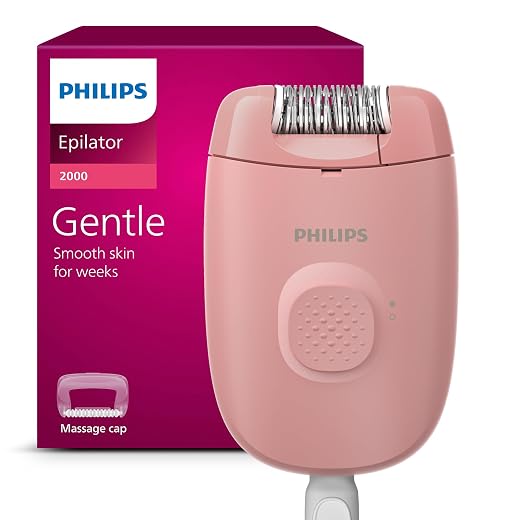
- Example models: corded epilators like the compact Philips Series 2000 are popular for beginners because they’re straightforward and affordable.
How IPL (Intense Pulsed Light) works — in plain language
IPL devices use broad-spectrum flashes of light aimed at the pigment in hair. The light energy heats the hair shaft and surrounding follicle enough to interrupt regular regrowth cycles over repeated sessions (this is why IPL is a multi-session approach). IPL doesn’t “pull” hair instantly—results build up over time.
- Typical session time: lower legs may take 15–30 minutes depending on the device’s window size.
- Typical schedule: many users follow a starter course of about 6–12 sessions spaced every 2–4 weeks, then maintenance sessions as needed.
- Common at-home models: Philips Lumea and Braun Silk·expert lines are widely reviewed options.
Quick safety, ingredients, and practical tips
- Always do a patch test in an inconspicuous spot and read the manual.
- Keep these on hand: alcohol wipes, a gentle non‑fragranced moisturizer, cooling gel (aloe vera), and sunscreen for treated areas.
- Practical tip: shave before IPL sessions (light on skin, no surface hair), but don’t shave before epilating.
Next up: who benefits most from an epilator—real pros, cons, and everyday scenarios to help you decide.
Who Should Choose an Epilator: Pros, Cons, and Real-World ScenariosWhen an epilator makes sense
You’ll know an epilator could be a better fit if you want immediate smoothness, a lower upfront cost, or don’t mind occasional discomfort. It’s a simple tool for fast at-home results and repeated use without buying cartridges or gels.
Pros
- Quick at-home sessions (lower legs often 10–20 minutes)
- No ongoing consumable costs — one device, many uses
- Travel-friendly: compact, cordless options available
- Works wet or dry on many models — handy before a weekend trip
- Immediate smooth skin since hair is removed from the root
Cons
- Pain varies by area and your pain tolerance
- Possible red bumps or ingrown hairs if not prepped properly
- Learning curve: angle, pressure, and technique matter
- Not a permanent reduction method — regrowth returns in weeks
Real-world scenarios
- College student on a budget: buys an entry-level Philips or Emjoi epilator for a one-time cost and skips salon waxing.
- Last-minute weekend traveler: does a quick 15-minute epilation session the morning of departure for instant smoothness.
- Busy professional who prefers weekly touch-ups: likes the convenience of cordless, wet/dry models for quick showers-and-epilate routines.
How to minimize pain (step-by-step)
- Exfoliate gently 24–48 hours before to free trapped hairs.
- Take a warm shower to relax skin and open pores.
- Start on the lowest speed to get used to the sensation.
- Hold skin taut and glide the epilator against hair growth in short strokes.
- Pause and apply a cool compress if the area feels very hot.
Safety, ingredients, and aftercare
- Clean heads with the included cleaning brush; rinse removable heads if waterproof.
- Replace worn heads or caps according to the manual to keep performance and hygiene.
- Keep these basics: aloe vera gel, fragrance-free moisturizer, gentle exfoliating scrub (or a low-concentration AHA product), and antiseptic wipes.
- If you get a red bump: apply a cold compress, avoid picking, and gently exfoliate after the bump calms; follow with a soothing moisturizer.
When IPL makes sense
If you want longer-term hair reduction and are willing to commit to multiple sessions, IPL can be worth the investment. It’s best when you prefer fewer maintenance sessions over time and don’t mind following a treatment schedule (usually several sessions spaced weeks apart).
Pros
- Potential for significant long-term hair reduction for many users
- Less frequent upkeep after a full treatment series — monthly or quarterly touch-ups instead of weekly shaving
- Fast coverage on larger areas (legs, back) with fewer sessions than some other at-home methods
- Many devices are cordless and come with skin sensors to adjust energy
Cons
- Higher upfront cost than basic epilators
- Works best on contrast: darker hair and light-to-medium skin tones — results may be limited on very light/blond/red hair or very dark skin
- Requires consistent treatments and proper timing; skipping many sessions reduces effectiveness
- Some models require replacement cartridges or have limited flashes
Practical use cases
- Busy professional: schedules a 20–30 minute session every 4–6 weeks and moves to quarterly touch-ups after the initial series.
- Person with light-to-medium skin and dark hair: often sees faster, clearer reduction and may need fewer touch-ups.
- Someone allergic to waxing ingredients or who gets irritated from shaving: IPL offers a lower-irritation at-home alternative.
Safety, ingredients, and troubleshooting
- Always do a patch test and check device skin-tone guidance; avoid use on tattoos or broken skin.
- Avoid sun exposure and tanning 2 weeks before and 2 weeks after treatment; use a broad-spectrum SPF 30+ on treated areas.
- Keep soothing items on hand: aloe vera gel, fragrance-free moisturizer, and cooling gels.
- Flashing can feel like a warm snap — mild redness is common. If you miss a session, resume at the correct interval; don’t double-up flashes.
- Contact manufacturer support if you experience burns, prolonged blistering, or device malfunction.
Next up: a detailed look at components, ingredients, and the aftercare essentials you’ll want in your kit.
Ingredients, Components, and Aftercare: What You’ll Need and Why It MattersCore components to look for
Epilators
- Stainless-steel tweezers or discs (durable, hygiene-friendly)
- Removable/washable heads and caps (cleaning matters)
- Battery-powered or corded motor options (runtime vs uninterrupted power)
- Charging base, storage pouch, and cleaning brush
IPL devices
- Flash lamp module (quartz or xenon bulb types)
- Treatment window (sapphire or tempered glass) and replaceable filters
- Built-in cooling tip or external cooling accessory
- Skin-tone sensor and safety goggles or eye shield (depending on model)
- Cartridge or flash-count indicator on some models
Common pre/post topical ingredients and why they help
Look for soothing, low-irritant actives in aftercare:
- Aloe vera (Aloe barbadensis leaf juice) — calming, cooling
- Glycerin — hydrates and protects the skin barrier
- Panthenol (provitamin B5) — supports skin repair and softness
- Allantoin — anti-irritant and smoothing
- Hyaluronic acid — hydrates without greasiness
- Calming botanicals (e.g., chamomile, green tea) — reduce redness
- Non-irritating bases: purified water, dimethicone (protective emollient)
For conductive or coupling gels used with some IPL models:
- Typical ingredients: water, carbomer, propylene glycol, triethanolamine
- How they help: improve light transmission, minimize reflection, and provide a slick, cooling barrier for comfort
Safety and practical tips
- Avoid fragrance- or alcohol-heavy products right after treatment — they can sting or dry you out.
- Check for known allergens (e.g., botanical extracts, propylene glycol) and always patch-test new products for 24–48 hours.
- Don’t apply exfoliants, retinoids, or strong actives immediately after treatment unless manufacturer OKs it.
Simple aftercare kit (practical example)
- Mild fragrance-free lotion (example ingredient list: purified water, glycerin, niacinamide, dimethicone, cetyl alcohol, phenoxyethanol)
- 100% aloe vera gel (Aloe barbadensis leaf juice)
- Reusable cooling gel pack and a soft cotton cloth
Next, you’ll learn exactly how to choose, use, and maintain your device step-by-step so it stays effective and safe for years.
Cost, Time Investment, and Return on Investment (ROI): Which Saves You Money?Upfront vs. ongoing cost — quick breakdown
- Epilator: budget model ~$50 (e.g., Philips Satinelle, generic brands); replacement head or new tweezing module every 2–3 years ≈ $15–30; electricity/charging ≈ negligible ($1–5/year); aftercare products (aloe, lotion) ≈ $10–30/year.
- IPL (midrange): $300–600 (e.g., mid-tier Braun or Silk’n models); some units have replaceable cartridges or lamp modules ($0–$150) or limited flash counts; coupling gel (if required) and aftercare ≈ $10–30/year; larger initial spend but fewer repeat sessions.
Example 3-year cost and time scenarios (simple math)
- Epilator scenario: $50 initial + $20 replacement head at year 2 = $70. Session frequency: every 2 weeks → ~78 sessions over 3 years. Time: 30 minutes/session = ~39 hours of at-home upkeep.
- IPL scenario: $450 initial + $100 replacement/module at year 3 = $550. Typical regimen: 8–12 front-loaded sessions first year, then 2 touch-ups/year → ~12 sessions over 3 years. Time: 30 minutes/session = ~6 hours total.
Money: epilator = ~$70 vs. IPL = ~$550 (3 years). Time: epilator = ~39 hours vs. IPL = ~6 hours. If you place a value on your time, IPL can “pay back” its higher price for busy people.
Non-monetary factors that affect ROI
- Convenience & travel: epilators are compact and battery-friendly; many IPLs are bulkier and corded (some cordless models exist).
- Comfort & tolerance: epilation can sting repeatedly; IPL sessions are spaced out but may cause brief flashes/tingling.
- Long-term effectiveness: fewer sessions with IPL mean less ongoing time, but device lifespan and flash count matter.
Safety & budgeting tip
Always check warranties, return policies, and whether an IPL device has FDA clearance for safety labeling. Factor in replacement parts, flash-life specs, and realistic session counts when you calculate ROI.
Next you’ll get a step-by-step guide on choosing, using, and maintaining whichever device you pick.
How to Choose, Use, and Maintain Your Device: A Step-by-Step GuideDecision checklist
Before you buy, run through this quick checklist:
- Skin tone and hair color (IPLs work best on light skin + dark hair).
- Pain tolerance (epilators pinch; IPL gives spaced pulses).
- Budget (epilator ≈ $40–$100; IPL ≈ $200–$600+).
- Treatment area size (epilators for small/precise areas; IPL for larger areas).
- Desired speed of results (fast long-term reduction = IPL; instant removal = epilator).
- Portability (battery epilators are travel-friendly; many IPLs are corded).
- Safety features (skin sensors, adjustable energy, cooling tips).
Example models to consider: Philips Satinelle Advanced (epilator), Braun Silk·expert Pro or Silk’n Infinity (IPL), and Tria 4X (laser handheld).
How to use an epilator — simple steps
- Clean and exfoliate the area to remove dead skin.
- Trim very long hair to ~2–4 mm if needed.
- Use on dry or slightly damp skin per your device manual.
- Move the epilator slowly against hair growth; don’t press too hard.
- Clean the head after each use (brush + rinse if waterproof).
- Moisturize with a gentle lotion or aloe afterward.
How to use an IPL device — step-by-step
- Shave the area clean (no hair above skin).
- Set the correct energy level per your skin/hair combo; start low.
- Perform a patch test and wait 24–48 hours.
- Wear protective eyewear if recommended.
- Follow the scheduled sessions (e.g., every 2–4 weeks initially).
- Avoid sun exposure and tanning before and after treatments.
Maintenance & storage
- Store your device dry and dust-free.
- Replace consumables (cartridges, heads) on the manufacturer’s schedule.
- Clean treatment windows and heads with mild soap or isopropyl wipes as instructed.
- Register the device for warranty and keep receipts.
Safety reminders
- Never use IPL on tattoos, moles, or irritated/broken skin.
- Don’t share devices that directly contact skin (or disinfect thoroughly).
- Stop use and consult manufacturer guidance if irritation persists.
Quick pro/con checklist
- Epilator — Pros: low cost, instant results, portable. Cons: recurring sessions, pain.
- IPL — Pros: long-term reduction, less frequent sessions. Cons: higher cost, needs correct skin/hair match.
Now you have practical steps and a shortlist to help choose — next: wrap-up guidance to make your final decision.
Making Your Choice: Which One Is Worth It for You?
You now have the facts: pick an epilator if you want low upfront cost, quick results, and don’t mind brief discomfort; choose an IPL device if you’re ready to invest more time and money upfront for potential longer-term reduction and less frequent maintenance. Weigh your budget, pain tolerance, skin/hair type (IPL works best on lighter skin with darker hair) and lifestyle. For aftercare, keep aloe gel, fragrance‑free moisturizer and sunscreen. Practical tip: try an epilator at home, or book a trial IPL session and always patch‑test and follow safety instructions.

I’m on team IPL after reading the “Who Should Choose an IPL Device” section. The INNZA device with cooling sounded like a good middle ground for pain control and price.
Short story: I did 6 sessions and saw real reduction in underarm growth. Took time but worth it.
Love that the article compared ROI — made the purchase decision less emotional and more math-based. : )
Appreciate the real-world schedule — I’ve been lazy about following the timing, so thanks for the nudge!
Thanks Sophie — great to hear it worked for you. Underarms are one of the easier wins for IPL, so that matches the practical use cases we highlighted.
Nice! How long between sessions did you wait? Also did you use the cooling every time?
I did sessions every 2 weeks initially, then spaced out. Used cooling on the first few treatments — it made sessions way more tolerable.
I really appreciated the “Cost, Time Investment, and ROI” section — it made me stop and actually compare lifetime costs instead of just price tags.
My take after reading: if you’re renting and don’t care about long-term hair reduction, save your cash and get a Philips Series 2000 epilator or even a cheaper one. But if you plan to stay put and hate shaving, INIA HAUTE Pro or INNZA IPL might be worth the splurge.
That said, the article should’ve been more blunt about skin tone/hair color limits for IPL. I nearly bought an IPL that probably wouldn’t work well on my lighter hair. Some manufacturers bury that info.
Also small nit: the “Ingredients, Components, and Aftercare” bit was super helpful, but could use a quick checklist printable. I like lists.
We can definitely expand the product notes to include manufacturer-reported suitable hair/skin tone ranges for the named devices (INNZA, INIA HAUTE Pro, etc.). Thanks for flagging it.
Thanks Olivia — that was my worry. I wish product listings (INNZA/INIA etc.) had clearer examples of hair types they actually work on.
Agree re: hair color — IPL is best on darker hair due to melanin targeting. If you have very light blonde/grey/red hair, IPL/laser often underperforms.
Great feedback, Maya — noted about skin tone/hair color info. We tried to keep it beginner-friendly, but we’ll add a clearer callout and a printable checklist in a follow-up edit.
Good point on rental vs long-term ownership too.
Maintenance note: replace or clean heads regularly. I had my Philips Series 2000 for 3 years and performance dropped until I cleaned the head and replaced the cap. Article’s maintenance guide saved me $$$.
Good call, Tom — maintenance and replacement parts are an often-overlooked ongoing cost. We covered cleaning and part replacement schedules in the article but will consider an easy-to-follow maintenance timeline table.
Same here — a quick brush + oil and my epilator runs like new. For IPL, check lamp life (shots) — INIA HAUTE Pro lists a certain number of flashes which affects ROI.
Great article overall but I’m still confused about skin tone compatibility.
Does INIA HAUTE Pro or INNZA list specific skin tone levels that are/not recommended? The “Making Your Choice” section hinted at it, but didn’t give a clear lookup.
Also curious if epilators like the Philips Series 2000 or Braun Silk-epil 7 have any contraindications for varicose veins or sensitive skin?
Also, for varicose veins, I’ve been told to be cautious with heat-based devices (IPL), so yeah — check with doc if you have vascular issues.
Good questions. Most IPL manufacturers, including INNZA and INIA HAUTE Pro, provide a skin tone chart (often based on Fitzpatrick scale) and usually warn against use on very dark skin and very light hair. We didn’t reproduce exact charts to avoid inaccuracies, but we can add links to official product docs.
For epilators: avoid direct epilation over varicose veins, wounds, or inflamed skin. Sensitive skin may react initially — test a small area and follow the aftercare steps in the article.
If you have darker skin, seek devices cleared for that range or consult a dermatologist. Some IPLs are marketed as suitable up to certain Fitzpatrick types, others aren’t.