

 Good Looking

Disposable vs. Cartridge Razor: Which One Fits Your Routine?
You want a clean, comfortable shave without overthinking it. Supermarket razors split into two simple choices: disposable razors (single-piece, throwaway) and multi-blade cartridge systems (reusable handles with replaceable heads). This guide helps you compare cost, shave quality, convenience, and environmental impact so you can pick what fits your life.
Designed for first-time or casual shavers in the United States, you’ll get practical buying tips, maintenance pointers, and basic safety and ingredient notes for creams and aftercare. No jargon—just clear, useful advice to get a smoother shave with less hassle every day.



Razor Types Explained: Find Your Perfect Shaving Razor
What Are Disposable and Cartridge Razors? A Simple BreakdownDisposable razors: simple and throwaway
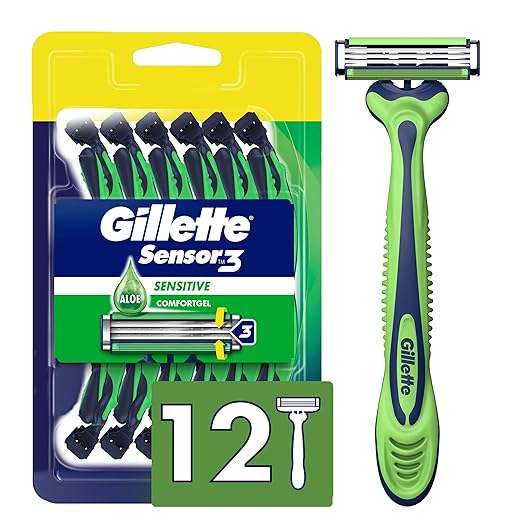
Disposable razors combine the handle and head into one unit you toss when the blades dull. You’ll usually see inexpensive 1–4 blade versions with molded plastic handles and stainless steel blades. Many include a small lubricating strip (often containing glycerin, aloe vera, or vitamin E) to reduce drag. Think of the cheap 3-blade travel pack you pick up at a drugstore or toss in a gym bag.
- Typical materials: plastic handle, stainless steel blades, small rubber grips, simple lubricating strip.
- Mechanism: fixed head — no parts to remove or replace.
Quick safety/use tips: rinse and dry after each use, don’t share disposables, and discard when you feel tugging or irritation.
Cartridge razors: reusable handles, replaceable heads
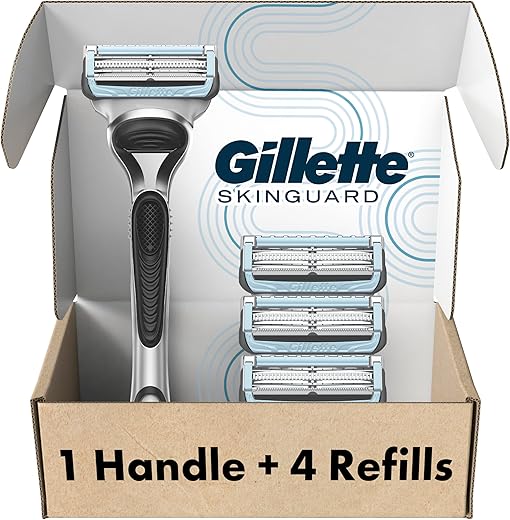
Cartridge systems pair a sturdy handle with snap-on multi-blade cartridges (often 3–5+ blades). Blades are usually stainless steel; cartridges often include advanced features: pivoting heads, wider lubricating strips (aloe, vitamin E, other moisturizing agents), and built-in guards. You buy a handle once and refill with cartridges.
- Typical materials: metal or heavy-duty plastic handle, stainless steel blades, silicone or polymer grips, lubricant strips with glycerin/aloe.
- Mechanism: snap-on cartridges — click to attach or remove, more costly per cartridge but less waste of the handle.
When each makes sense
- Travel or emergency kit: disposables are light, cheap, and replaceable.
- Daily home use: cartridge systems offer smoother shaves and features that reduce nicks.
- Shared households: a personal cartridge handle prevents accidental sharing of heads; if you must share, swap cartridges between users.
Practical tip: if you prefer low-fuss packing for a weekend, grab a disposable. If you shave often and want smoother results, invest in a cartridge system and change cartridges regularly for safety and comfort.
Cost, Value, and Environmental ConsiderationsUpfront vs. ongoing costs — quick math you can use
Compare price-per-item and price-per-shave using simple, realistic assumptions. Example price points (U.S. drugstore averages): disposables ~$1.25 each, cartridge handle ~$15, replacement cartridges ~$3.50 each. Blade life varies, so here are two scenarios you can adapt:
- If a disposable lasts ~5 shaves: $1.25 / 5 = $0.25 per shave.
- If a cartridge lasts ~15 shaves: $3.50 / 15 ≈ $0.23 per shave (plus the one-time handle cost).
Practical annual examples:
- Weekly shaver (~3 shaves/week → ~156 shaves/year): disposables = 156 × $0.25 = $39; cartridges = 156 × $0.23 + $15 ≈ $51.
- Daily shaver (~365 shaves/year): disposables ≈ $91; cartridges ≈ $98 + $15 ≈ $113.
Adjust those numbers if you get multi-packs, subscription discounts, or premium cartridges (which can be $4–7 each).
Environmental factors to weigh
Disposable units create more single-use plastic and mixed-material waste because the whole handle/head is tossed. Cartridges reduce handle waste but cartridge heads often combine plastic, rubber, and metal, which makes curbside recycling difficult.
Recycling realities and tips:
- Blades (steel) are recyclable but usually need to be collected safely — not tossed loose.
- Many cartridges aren’t accepted by municipal programs due to mixed materials.
- Some manufacturers and third-party services offer mail-back or cartridge/steel recycling programs — check brand sites.
Practical steps to reduce waste and cost
- Use fewer disposables; reserve them for travel.
- Collect used blades in a puncture-proof metal container (e.g., coffee can) and take them to a scrap-metal recycler or a blade-recycling program.
- Look for brands with explicit cartridge-recycling programs or consider longer-lasting cartridge options.
- Rinse and dry blades after use to stretch their effective life, and compare subscription plans for cost savings.
Next, we’ll explore how these choices affect shave quality — closeness, comfort, and irritation — so you can match cost and footprint to performance.
Shave Quality and Performance: Closeness, Comfort, and IrritationHow multi-blade cartridges work (and why they feel smoother)
Multi-blade cartridge systems are engineered to lift and cut hair in stages: the first blade slightly lifts the hair, the middle blade cuts closer, and the final blade trims the remaining length. Combined with a pivoting head and a lubricating strip (often containing glycerin, aloe, and vitamin E), cartridges tend to give a consistently close, comfortable result with fewer passes. The blade metal is usually stainless steel; lubricating-strip ingredients help reduce friction but don’t replace proper prep.
Disposables: strengths, limits, and when they surprise you
Many disposables are multi-blade too, and for short-term use—travel, single-stash jobs, or occasional touch-ups—they can be very effective. Where disposables often fall short is blade longevity and build quality: cheap handles can flex, blades dull faster, and you may feel more tugging or need extra passes, which increases irritation risk.
Practical tips to get the best performance (for either type)
- Change blades regularly — typically every 5–15 shaves depending on your hair coarseness.
- Shave with the grain on the first pass to reduce friction and irritation.
- Use light pressure; let the blade do the work to avoid nicks and razor burn.
- Prep properly: warm water, a quality shave cream/gel or soap with glycerin/stearic acid for lubrication.
- Rinse and dry your razor after use; store standing up to reduce corrosion and bacterial buildup.
Real-world examples to guide you
- If you’re a college student shaving daily and value speed, smooth results, and low fuss, a cartridge system (like a Mach3-style three-blade) often saves time and reduces morning irritation.
- If you travel a lot or shave rarely, disposables give convenience and zero maintenance—just accept more frequent blade changes and slightly less refinement in the shave.
Quick comparison: first-time feel
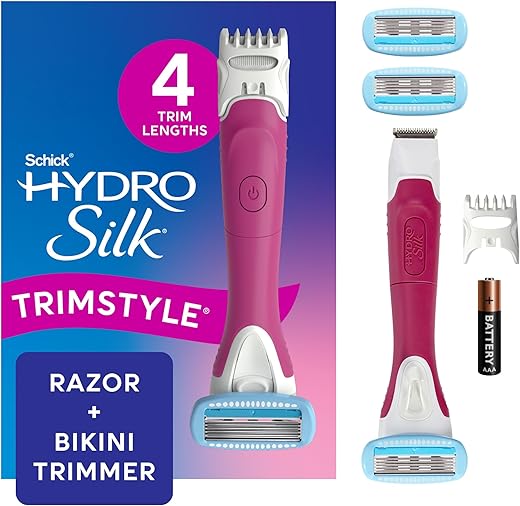
When you’re learning to shave, simplicity matters. Disposable razors win for frictionless use: light, familiar, and throwaway—great for travel or for the person who doesn’t want any upkeep. Cartridge razors take a tiny bit more maintenance (swapping cartridges, rinsing pivot heads), but their ergonomic handles and pivoting heads often make tricky areas like the jawline or under the nose easier to manage. If you’re worried about coordination or want a smoother glide, cartridges (e.g., Mach3-style or Schick Hydro) usually feel more forgiving.

Beginner step-by-step: a safe, simple routine
Follow this short routine until you build confidence:
- Wash your face with warm water and a gentle cleanser to lift oils and soften hair.
- Apply shaving cream, gel, or soap that contains lubricants like glycerin or stearic acid (these help the blade glide).
- Shave with short, controlled strokes in the direction of hair growth on the first pass.
- Rinse the blade after every pass to clear hair and cream; replace blades when tugging occurs.
- If you feel stinging or see redness, pause and apply a cool splash of water; stop if irritation worsens.
Suggested starter kits
- Basic home kit: cartridge razor, small tube of cream with glycerin, fragrance-free after-shave balm or moisturizer (contains aloe or ceramides).
- Travel kit: 3–5 disposable razors, travel-size soap or shaving cream, small tube of moisturizer.
Troubleshooting: common problems and fixes
- Nicks: press a clean tissue to stop bleeding; avoid scrubbing.
- Tugging/dull blade: change the blade—don’t force extra passes.
- Razor burn/irritation: cool water, fragrance-free moisturizer; avoid alcohol-based aftershaves on inflamed skin.
Next up: we’ll dig into how different razors interact with sensitive skin and what product ingredients to look for to avoid irritation.
Skin Sensitivity, Product Ingredients, and Safety AdviceHow your skin reacts
Your skin responds to shaving through two things: mechanical action (blade pressure, angle, multiple passes) and topical exposure (creams, gels, lubricating strips). Light pressure and single-pass shaving reduce irritation, while repeated strokes, dull blades, or tight skin can cause tugging, redness, or razor burn. Think of it like friction on a sunburned patch — the same force has a different effect on fragile versus hearty skin.
Read labels: common ingredients to know
Knowing ingredient names helps you choose compatible products. These examples are for awareness, not medical advice.
Shaving creams & gels often include:
- glycerin
- stearic acid
- coconut-derived surfactants (e.g., sodium cocoyl isethionate)
- aloe vera extract
- fragrance (can irritate sensitive skin)
- humectants like propylene glycol or polyethylene glycol
Cartridge razor lubricating strips commonly include:
- glycerin
- aloe
- tocopheryl acetate (vitamin E)
- silicone-based lubricants (for glide)
Allergy-safety and product-use tips
- Patch-test fragranced products on a small area (forearm) for 24–48 hours before full use.
- If you notice prolonged redness, itching, or bumps, stop the product and switch to fragrance-free or “hypoallergenic” formulas.
- Avoid sharing razors—bloodborne contamination and cross-reactions are real risks.
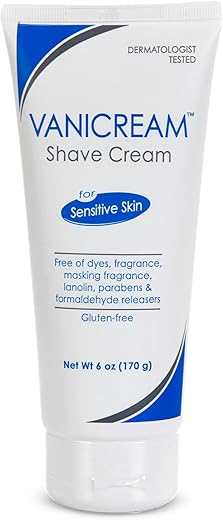
- If you’re sensitive, look for “fragrance-free,” “for sensitive skin,” or products containing minimal additives. Examples: CeraVe Shave Cream (fragrance-free) or Aveeno Therapeutic Shave Gel.
Blade safety and quick first-aid
- Replace dull blades promptly to avoid tugging.
- Store razors in a dry spot to slow corrosion; use a razor stand or hang to dry.
- Use razor guards for disposables when traveling; dispose of blades in a blade bank or puncture-resistant container.
- For small nicks: rinse the area, apply gentle pressure with a clean tissue, and use a styptic pencil or alum block if you use one. (Avoid medical claims—seek professional care for larger wounds.)
Next, you’ll get practical buying tips and maintenance steps so you can pick the razor and routine that suit your skin and lifestyle.
How to Choose: Practical Examples, Buying Tips, and MaintenanceQuick decision flow: answer these first
Ask yourself:
- How often do you shave? (daily vs. weekly)
- Do you travel or camp often?
- Is upfront cost or long-term savings more important?
- Do you have sensitive skin or allergies?
If you shave daily and want quick, comfortable results → lean cartridge.If you shave rarely, travel light, or need disposable backups → lean disposable.If budget is tight but you want a decent shave → mix: use inexpensive disposables or an entry-level cartridge with multi-pack blades.If you have sensitive skin → invest in a higher-quality cartridge, fragrance-free shave cream, and fewer blade changes.
Buyer profiles and product examples
- Daily commuter who needs quick, comfortable shaves: Gillette Fusion5 ProGlide or Schick Hydro 5 (cartridge).
- Occasional traveler or camp-goer: BIC Flex 5 or Gillette Guard disposable.
- Budget-conscious college student: multi-packs of Dorco Pace disposables or Dollar Shave Club starter kits.
- Sensitive-skin shopper who wants fewer replacements: higher-end cartridge + fragrance-free cream (try Harry’s or Gillette with CeraVe/Fragrance-free shave cream).
Smart shopping tips
- Calculate per-blade cost (replacement cartridge price ÷ blade life).
- Check replacement availability and price before you buy a handle.
- Look for ergonomic handles, pivoting heads, and lubricating strips.
- Read user reviews about blade longevity, clogging, and cartridge alignment.
- Try trial packs or subscriptions (Harry’s, Dollar Shave Club, Amazon Subscribe & Save) to test without a big commitment.
Maintenance, disposal, and safety
- Rinse and shake dry after each shave; store in a dry place or on a stand.
- Replace blades after the manufacturer’s recommended uses or once you feel tugging.
- Clean refillable handle threads occasionally with mild soap and dry fully.
- Dispose of cartridges and disposables in local-approved sharps/blade programs or a puncture-resistant container; recycle packaging where allowed.
- Save money safely: buy multi-packs or subscribe-and-save, but don’t compromise blade sharpness or skin comfort for tiny savings.
Next, read the quick takeaways to decide which razor fits your routine.
Which Should You Choose? Quick Takeaways
Choose cartridge razors for daily comfort, closeness, and ease—look for lubricating strips (aloe, vitamin E), multi-blade cartridges, and fragrance-free gels if your skin is sensitive. Pick disposables for travel, occasional shaves, or lower upfront cost; they’re simple, portable, and often recyclable where accepted. Always follow safety tips, check ingredient labels, replace blades regularly, and dispose responsibly. If unsure, try both briefly to see what fits your routine and skin best for lasting, affordable comfort.
I stick to disposables for gym showers. Cheap, quick, no fuss.
New shaver here — article helped. I picked up the Amazon Basics MotionSphere Five-Blade men’s set because it seemed beginner-friendly and affordable.
Question: should I get a shaving cream or gel? The piece mentioned product ingredients but didn’t give a clear reccomendation for basics.
Welcome to shaving! For beginners, a simple glycerin-based gel or a fragrance-free shaving cream works well. The article suggests avoiding strong fragrances and alcohol-heavy aftershaves for first-timers.
I really appreciated the cost vs. value section. I did the math once and a good cartridge system lasts longer but initial outlay is annoying.
Environmental considerations are messy though — cartridge plastic + metal = recycling nightmare.
Does anyone here use the Amazon Basics Women’s 5-Blade? Wondering how it compares lifespan-wise to Fusion5 refills.
You’re right — recycling cartridges is complicated. The Amazon Basics women’s 5-blade tends to be similar in lifespan to other five-blade cartridges, but build and coatings vary. The article includes a quick comparison table if you missed it.
I had the Amazon Basics women’s set for a while — lasted decently and was cheaper, but the Fusion5 felt slightly smoother. For the price, Amazon Basics is great.
Great breakdown — I liked the ‘Which One Fits Your Routine?’ angle.
I switched from disposables to the Gillette Fusion5 Power refills last year and honestly the shave closeness is next level.
But maintenance is a pain: I feel like I waste a blade if I rinse it wrong.
Also — the environmental bit in the article made me rethink things. Anyone else do blade recycling?
Thanks for the practical buying tips, helped me pick which refills to try next!
I do the same. Also, gently tapping to remove hair before rinsing keeps the blades cleaner longer — little hack I picked up.
Thanks, Emily — glad the practical tips helped. For blade recycling: some local recycling centers accept metal cartridges, or you can use a mail-back program. I linked a few options in the tips section.
Short and practical article. I still buy disposables when I’m traveling — cheaper and no worries about losing a handle.
As someone with reactive skin, I appreciated the safety advice section. The Mach3 cartridges irritated me at first but switching lather and using shorter strokes fixed most of it.
Also: triple-check the blade alignment before buying used handles — misaligned cartridges = instant cuts.
Article could’ve had more on post-shave care (aloe, pH-balanced products) but overall solid.
Zoe — same. Also try a soft toothbrush to exfoliate once a week before shaving.
Yes to shorter strokes. I find long pulls cause more tugging and rashes.
Good practical points, Hannah. I’ll expand the post-shave care section to include pH-balanced options and aloe-based balms. Thanks!
Exfoliation is underrated. It reduces ingrown hairs a lot.
Quick safety tip for newbies: replace blades or disposable razors before they feel dull. Dull blades tug and cause irritation.
Also, be careful storing cartridges in humid places — they corrode faster.
Loved the buying tips in the article — practical and no weird jargon.
Excellent tips, Rachel. I’ll add a small checklist for blade replacement frequency and storage to the ‘maintenance’ subsection.
I appreciate the environmental considerations section but felt it could be deeper.
Plastic waste from disposable handles and multi-material cartridges is a big issue.
Does anyone know of brands that offer easy recycling or take-back programs? The article mentioned a couple but not many.
Also, curious if anyone here has tried zero-waste shaving alternatives (safety razors, etc.) — thoughts?
Good call — sustainability is complex. There are a few brands and mail-back programs that accept cartridges; I can compile a short list in an update. Safety razors are definitely the lowest-waste option but have a learning curve, as noted.
I switched to a safety razor a year ago. Learning curve was real but waste dropped significantly. PSA: get a decent brush and soap too.
Safety razors made me feel like a pirate but my bathroom is way cleaner (no cartridge clutter). Worth trying.
Thanks all — useful perspectives. Hoping the article expands the recycling resources.
Safety razors gave me too many nicks. Went back to Sensor3 disposables for sensitive skin. Tradeoffs.
Loved the ‘How to Choose’ practical examples. You know what’s wild? People act like a 5-blade will fix bad technique.
This article didn’t sugarcoat that — you still need to hold the right angle, use light strokes, and know when to replace a blade.
Also, the comparison between Amazon Basics and Gillette products was fair. Price vs. polish, basically.
One more thing: please warn readers about shaving against the grain if they get bumps easily — that saved my skin years ago.
Great point, Sarah — against-the-grain shaving can add closeness but increases irritation risk. I’ll make that warning more prominent.
Sarah, thanks — I was about to ask about grain. How do you figure out your grain pattern?
Luke: feel your beard when it’s dry. Run your fingers different ways — the direction with least resistance is with the grain. Easy.
Mini-review: bought Amazon Basics MotionSphere for my partner. Good handle, smooth pivot, blades lasted a month with daily use.
We also tried a pack of Mach3 cartridges — they were fine but pricier per shave. The article’s cost math checks out.
If you want durability + convenience, MotionSphere set is a fine compromise. Not a snob choice, but practical.
Thanks for the field report, John. Real-user data like this is super helpful for other readers — appreciate the detail.
This is why I like Amazon Basics — decent quality without the flex-price of big brands.
Thomas raises a good point about water hardness — maintenance tips in the article suggest rinsing with filtered/softened water when possible.
John — did the MotionSphere come with replacement heads or just one? Trying to compare upfront value.
Heads up: cheaper sets sometimes skimp on the lubrication strip quality. Might wear faster in hard water.
Emily: it came with 2 extra cartridges in the set I bought. Good starter bundle.